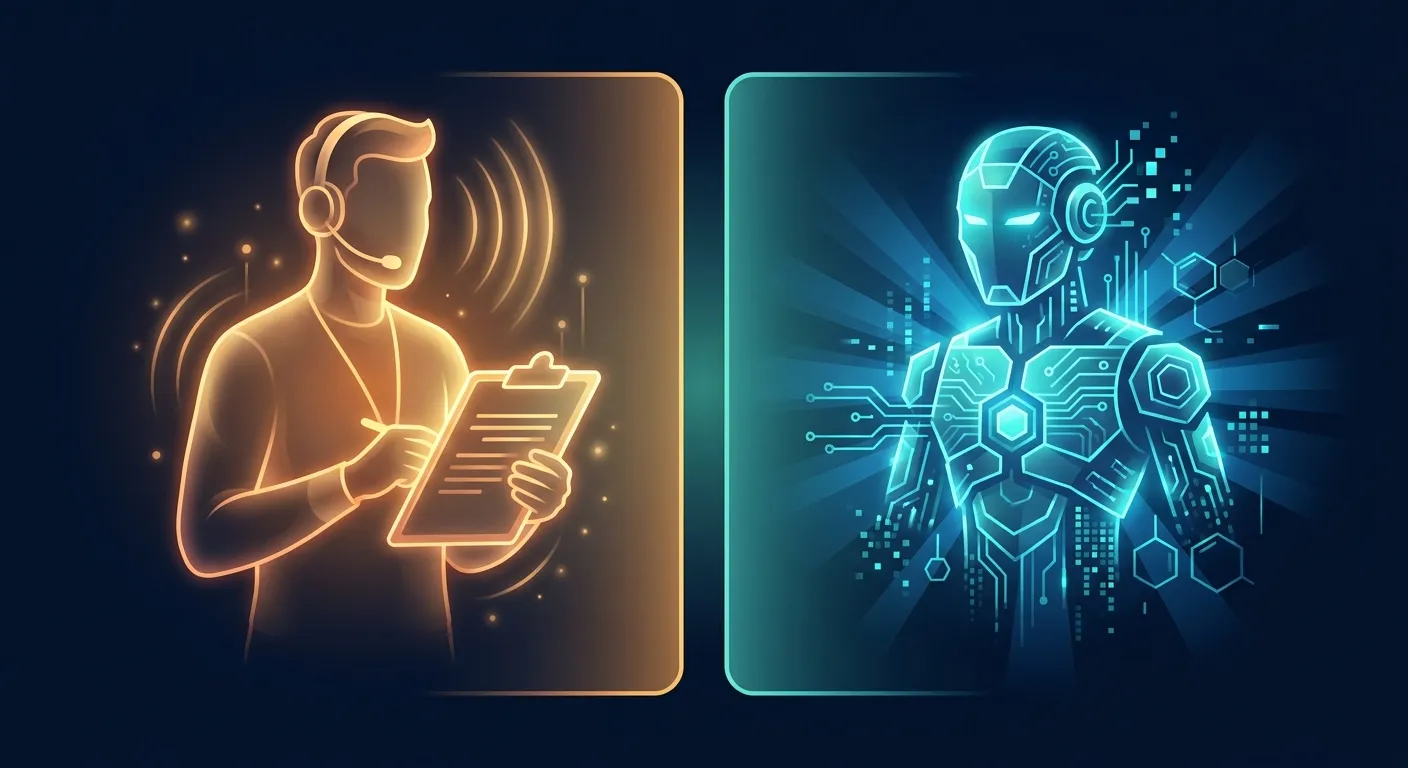
You're probably here because you've narrowed your search down to two very different apps — and you're wondering if a premium human coach is actually worth the price difference over an AI alternative. It's a fair question. And the honest answer is: it depends entirely on what's actually stopping you from working out.
Future is legitimately impressive. Real certified trainers. Custom weekly plans. FaceTime check-ins. Apple Watch integration so your coach can monitor your heart rate mid-workout. It's the closest thing to having an in-person trainer without physically being in the same room. The 4.9-star rating across 10,500+ App Store reviews isn't hype. People love this app.
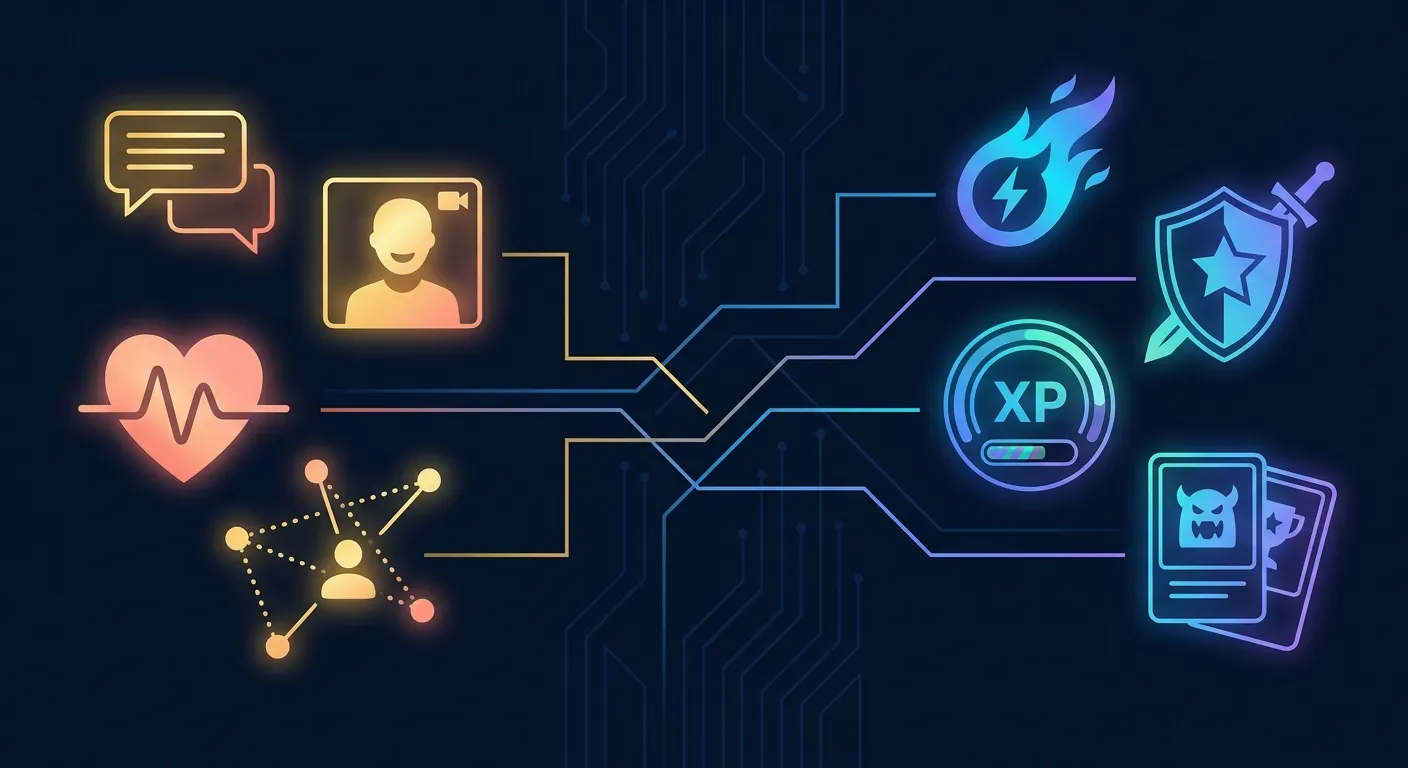
FitCraft takes the opposite bet. Instead of a human coach at premium prices, you get Ty — a 3D AI personal trainer built on programs designed by Domenic Angelino (MS, MPH, CSCS), an Ivy League-trained exercise scientist. And instead of relying on human accountability, FitCraft uses gamification mechanics — the same reward loops that keep people hooked on video games — to make consistency feel automatic.
Different philosophies. Different price points. Both can work. Let's figure out which one fits you.
Quick Comparison
| Feature | FitCraft | Future |
|---|---|---|
| Core Approach | Gamification + AI coaching | 1-on-1 human personal trainer |
| Coaching Type | Ty (3D AI personal trainer) | Real certified human coach |
| Personalization | 32-step diagnostic assessment | 3-min quiz + ongoing coach communication |
| Designed By | Ivy League-trained exercise scientist, NSCA-certified | 130+ certified personal trainers |
| Best For | People who quit workout apps | People who want a human relationship with a coach |
| Gamification | Streaks, quests, cards, avatars | None |
| Check-ins | AI-driven, continuous adaptation | Messages + FaceTime with your coach |
| Workout Guidance | Interactive 3D exercise demos | Video demonstrations per exercise |
| Wearable Integration | Not required | Apple Watch (strongly recommended) |
| Equipment Needed | Adapts to what you have | Coach adapts to what you have |
| Nutrition Coaching | Not included | Not included |
| Pricing | Free trial, see current plans | Premium subscription model |
| Free Option | Free assessment available | 30-day money-back guarantee |
| Platforms | iOS & Android | iOS only |
| App Rating | Highly rated | 4.9/5.0 (10,500+ reviews) |
The Core Difference: Human Coach vs. AI + Gamification
This comparison isn't really about features. It's about two completely different theories of why people fail at fitness — and what to do about it.
Future's theory: you fail because you don't have the right support system. A real human who knows your name, checks in when you skip a session, adjusts your plan when you're traveling, and answers your questions over text at 9pm. That human relationship creates accountability and trust that no algorithm can replicate. And honestly? There's real science behind that. Social support is one of the strongest predictors of exercise adherence.
FitCraft's theory: you fail because the experience itself doesn't reward you fast enough. You start a program, the first few days feel fine, but by week 3 the novelty's gone and you haven't seen visible results yet. You need a bridge — something that makes each individual session feel rewarding before the physical results show up. That bridge is gamification. Streaks that you don't want to break. Quests that give your workout a purpose beyond reps. Cards and avatar progression that make every session feel like it counted.
A 2022 meta-analysis in the Journal of Medical Internet Research found that gamified fitness interventions produced a statistically significant improvement in physical activity (Hedges g = 0.42) compared to non-gamified approaches (Mazeas et al., 2022). These effects persisted even after the intervention period ended — meaning gamification didn't just create temporary novelty. It helped build lasting habits.
Both theories have merit. The question is which problem you actually have.
Where Future Wins
Let's give credit where it's earned. Future does several things that no AI can match right now:
- A real human who knows you. Your Future coach learns your personality, your excuses, your schedule quirks. They text you when you haven't worked out. They hop on FaceTime to adjust your form or talk through a plateau. That relationship is Future's entire product, and they execute it well. Some people need that human connection to stay accountable, and there's nothing wrong with that.
- Deep Apple Watch integration. Your coach can see your heart rate, calorie burn, and activity data in real time. If your heart rate's too low during a workout, they'll ramp up intensity next week. If you're overtraining, they'll pull back. That biometric feedback loop is genuinely useful for performance optimization.
- Coaching breadth across 25+ sports. Future isn't just gym workouts. Their 130+ coaches cover cycling, yoga, combat sports, bodybuilding, running, and more. If you want a triathlon coach or someone who specializes in post-rehab training, Future can match you.
- The 30-day money-back guarantee. At a premium price point, the risk could feel steep. Future addresses this head-on — if you're not satisfied after 30 days, you get a full refund. That's a confident move.
- The 4.9-star rating is real. Over 10,500 reviews on the App Store and the rating is essentially perfect. People who pay a premium for a fitness app and still rate it 5 stars are genuinely satisfied. That speaks for itself.
Where FitCraft Wins
FitCraft was built for people who've tried the "just get a coach" approach and still struggled — or who can't justify a premium-priced fitness app:
- The price difference is significant. Future uses a premium subscription model. FitCraft offers a free assessment and subscription plans at a fraction of Future's cost. For many people, the question isn't whether Future is worth it — it's whether they can afford it at all. FitCraft makes expert-designed, personalized fitness programming accessible to everyone.
- Gamification solves the consistency problem differently. A human coach creates external accountability: you show up because someone's watching. That works — until you cancel. FitCraft's approach builds internal motivation through reward mechanics. The BE FIT randomized controlled trial (Patel et al., 2017) found that gamified exercise interventions significantly improved physical activity levels, and the STEP UP trial (Patel et al., 2019) showed gamification elements increased daily step counts by 637 to 920 steps depending on the study arm in previously sedentary adults. You're not showing up because someone will judge you. You're showing up because the streak feels worth protecting.
- Ty is available 24/7. No scheduling required. Future coaches check in regularly, but they're not watching you during every rep. Ty — FitCraft's 3D AI coach — guides you through every exercise with interactive demonstrations you can pinch, zoom, and rotate. You don't need to schedule a FaceTime call. You don't need to wait for your coach to build next week's plan. Your program adapts in real time.
- No Apple Watch needed. Future strongly recommends an Apple Watch, and the coaching experience is reduced without one. If you're on Android, you can't even use Future. FitCraft works on both iOS and Android with no wearable required.
- Expert-designed programming at scale. Every FitCraft program is designed by Domenic Angelino (MS, MPH, CSCS), an Ivy League-trained exercise scientist. Future's coaches are certified professionals too — but with FitCraft, you're getting that exercise science methodology delivered through AI that adapts to your specific 32-step diagnostic results. The programs are evidence-based, not one trainer's personal philosophy.
Not sure which app is right for you?
Take the free 2-minute assessment to find out if FitCraft's gamified approach matches how you're wired.
Take the Free Assessment Free · 2 minutes · No credit cardWhen Is a Human Coach Actually Worth It?
Let's be direct about this. Future costs significantly less than in-person personal training, which typically runs $60-100 per session. If you'd otherwise be paying for a trainer three times a week, Future saves you thousands.
But here's the thing most people miss: the comparison isn't Future vs. an in-person trainer. It's Future vs. not working out at all.
If you're the kind of person who thrives with human accountability — someone texting you, someone who knows your name, someone you don't want to let down — Future is worth every penny. Seriously. The service is excellent, the coaches are real professionals, and the results people report are genuine.
But if your history looks more like this — download app, use it for 2-3 weeks, slowly stop opening it, feel guilty, delete it, repeat in January — then the issue probably isn't the quality of your coach. It's the daily experience of working out. And that's where FitCraft's gamification approach changes the equation.
Research consistently shows that roughly 50% of people who start a new exercise program drop out within the first six months. Not because the program was bad. Not because the coach was wrong. Because the motivation dip around week 3 is a predictable, well-documented phenomenon, and most programs — even great ones — don't engineer a solution for it.
FitCraft does. The streaks, the quests, the collectible cards — they aren't decorations. They're behavioral science applied to the exact moment when most people quit. And they work at a price point that doesn't require a serious financial commitment to get started.
Who Should Choose Future
Future is right for you if:
- You value human connection in coaching. Some people genuinely need a real person in their corner. Not an algorithm, not a chatbot — a human who remembers that you tweaked your knee last month and adjusts accordingly. If that relationship is what keeps you accountable, Future delivers it better than almost any other app.
- You can comfortably afford the premium subscription. This isn't a knock on Future's pricing. It's genuinely cheaper than in-person training. But it's still a significant monthly expense. If it fits your budget and you'll use it, it's a solid investment.
- You have specific sport or training goals. Training for a marathon? Recovering from an injury? Need a cycling-specific program? Future's roster of 130+ specialized coaches covers niches that a general-purpose AI can't match yet.
- You use an Apple Watch and iPhone. Future's Apple Watch integration is a real differentiator. If you already wear one, you'll get more out of Future than someone who doesn't.
Who Should Choose FitCraft
FitCraft is right for you if:
- You've quit fitness apps before — maybe more than once. That's not a personal failing. It means you need something that makes the daily experience of working out rewarding before the physical results arrive. That's exactly what FitCraft's gamification is designed to do.
- You don't want to spend a premium on a fitness app. FitCraft offers a free assessment and subscription plans at a much lower price point. You get expert-designed programming from an Ivy League-trained exercise scientist without the premium price tag.
- You're motivated by progression systems. If you've ever lost hours to leveling up a character, maintaining a Snapchat streak, or completing daily quests in a game — FitCraft channels that exact psychology into your workouts. The research backs it up.
- You're on Android. Future is iOS-only. FitCraft works on both iOS and Android.
- You want to start without scheduling a call or buying a watch. FitCraft's 32-step diagnostic takes 2 minutes, and Ty builds your program immediately. No onboarding call, no coach matching, no wearable required.
As Tim, a FitCraft user, put it: "I didn't think an app could replace my trainer. Ty proved me wrong."
The Bottom Line
The Verdict
Future is a genuinely premium service that delivers on its promise. If you want a real human trainer who builds your plan, checks in daily, and monitors your Apple Watch data — and you can afford the premium subscription — it's one of the best options available. The 4.9-star rating across 10,500+ reviews is earned, not inflated.
But premium coaching and consistent exercise are two different problems. If you've tried coaching, tried apps, tried programs — and you keep quitting around week 3 — the issue isn't the quality of the plan. It's the daily motivation to follow it. FitCraft was engineered specifically for that gap, using gamification backed by peer-reviewed research and programming designed by an Ivy League-trained exercise scientist.
FitCraft also offers a free version, so you can try the gamified approach without any financial commitment.
As Katie, a FitCraft user, said: "I've tried everything. This is the first time I've stuck with something past two weeks." That's the difference between having a great plan and having a system that makes you want to follow it.
For a name you already know rather than a coach you have to be matched with, FitCraft lets you train with UFC Knockout King Derrick Lewis.
Frequently Asked Questions
Is FitCraft better than Future?
They serve different needs. Future pairs you with a real human trainer at a premium price — excellent if you want that personal relationship and can afford it. FitCraft uses AI coaching with gamification, designed specifically for people who struggle with workout consistency. Future wins on human connection. FitCraft wins on accessibility, price, and behavioral science-backed engagement.
How much does Future cost compared to FitCraft?
Future uses a premium subscription model — visit Future's website for current pricing. FitCraft offers a free diagnostic assessment with subscription plans available at a fraction of Future's price — visit getfitcraft.com for current pricing. Future also offers a 30-day money-back guarantee.
Does Future use AI or real trainers?
Future uses real, certified human trainers — not AI. You're matched with one of 130+ coaches who build your weekly plan and check in via messages and FaceTime. FitCraft takes the opposite approach with Ty, a 3D AI coach that builds personalized programs from a 32-step diagnostic assessment and uses gamification to drive consistency.
Can I use FitCraft without an Apple Watch?
Yes. FitCraft works on iOS and Android with no smartwatch required. Future strongly recommends an Apple Watch for coach-tracked metrics like heart rate and calorie burn, and the experience is reduced without one. FitCraft's AI coach Ty personalizes your plan based on your diagnostic assessment, not wearable data.
Is Future worth the monthly price?
For the right person, absolutely. Future gives you a dedicated human trainer who builds custom plans and checks in almost daily — and it's far cheaper than in-person training sessions. But if your core problem is consistency rather than programming complexity, FitCraft's gamification and AI coaching may solve it at a fraction of the cost.