Ask ten people what to eat before a workout and you will get ten answers, most of them wrong for you. The problem is that the question is under-specified. A pre-workout meal three hours before a lifting session is a completely different thing than a snack twenty minutes before a run, and both are different from what you should do at 6 a.m. when you rolled out of bed and there is no time for either.
The good news is that the science is unusually settled. Pre-workout nutrition is one of the few sports-nutrition topics where the leading position stands actually agree with each other, and the rules are simple once you accept that time-until-training is the variable that decides everything.
What follows is the timing framework, what the trials say, and a menu-style list of what to actually eat at each window.
What Pre-Workout Food Actually Does
Two things. First, it tops up muscle and liver glycogen, the storage form of carbohydrate that your body burns fastest when the intensity is above easy. Second, it puts a little glucose into circulation so your central nervous system does not have to defend blood sugar mid-session, which is what "hitting a wall" usually feels like from the inside.
What it does not do is anything magical. It does not "prime" your metabolism, "activate" fat burning, or "signal" muscle growth in the ninety-minute pre-workout window. Every product that claims those things is selling a story on top of the same two mechanisms above, plus caffeine.
This is why the timing matters. The closer you eat to training, the less time your gut has to process food, so the meal has to be smaller and simpler to stay useful instead of becoming a problem. Far out, you can eat like a normal person. Close in, you eat like an athlete before a race.
What Does the Research Say About Pre-Workout Nutrition?
The clearest single document is the International Society of Sports Nutrition position stand on nutrient timing from Kerksick and colleagues (2017), which reviewed the evidence and reached a few conclusions worth remembering. Pre-exercise carbohydrate improves performance in sessions lasting longer than about an hour, especially when muscle glycogen would otherwise limit output. For short sessions under an hour, the effect on performance is small to negligible. Protein timing turns out to matter far less than total daily protein: hitting roughly 1.6 g/kg per day, spread across three or four meals, is more decisive than the exact minute you eat before or after training.
An earlier Aragon and Schoenfeld (2013) review, which the ISSN paper draws on, made the same point about the so-called anabolic window: it exists, but it is measured in hours, not minutes, and it is wide enough that a pre-workout meal two to three hours out and a post-workout meal one to two hours after cover the whole thing comfortably.
For endurance-shaped sessions specifically, Rothschild et al. (2020) reviewed pre-exercise nutrition studies in Nutrients and concluded that a carbohydrate-containing meal one to four hours before endurance work reliably improved performance, with the largest effects in trained athletes doing sessions over 90 minutes. The composition and timing were flexible; the presence of carbohydrate was the consistent factor. For runs of 75 minutes or more, our guide to what to eat before a long run scales those amounts to your body weight and adds what to take during the run.
What the trials also make clear is what does not matter as much as social media suggests. Precise macronutrient ratios, specific "clean" foods, and elaborate supplement stacks show small effects at best in well-controlled studies. Total intake, timing relative to training, and consistency across weeks show the largest effects. Pre-workout nutrition is a boring answer wearing a loud costume.
The Timing Framework
Everything below flows from one variable: how long you have between eating and starting the session. Match the food to the window, and most decisions make themselves.
3 to 5 hours out: eat like a normal person
You have plenty of time. Eat a balanced mixed meal you would enjoy anyway: a rice bowl with chicken and vegetables, pasta with a tomato-based sauce and lean protein, a wrap with turkey and salad, oatmeal with berries and Greek yogurt, eggs on toast with fruit. Fat is fine here, fiber is fine, portion is normal. You are not fueling the session so much as being a well-fed adult who will train later.
2 to 3 hours out: moderate, carb-forward, lower fat
Still a proper meal, but pull the fat down (fat slows gastric emptying, and you have less time for that) and pull the fiber down (same reason, plus GI comfort). Think grilled chicken, rice, and cooked vegetables. Or a bagel with turkey and a piece of fruit. Or a rice bowl with tofu, a small drizzle of soy sauce, and cucumber. Roughly 1 to 2 grams of carbohydrate per kilogram of body weight lands well for most sessions; smaller if you are training easy.
30 to 60 minutes out: small, mostly carbs, easy to digest
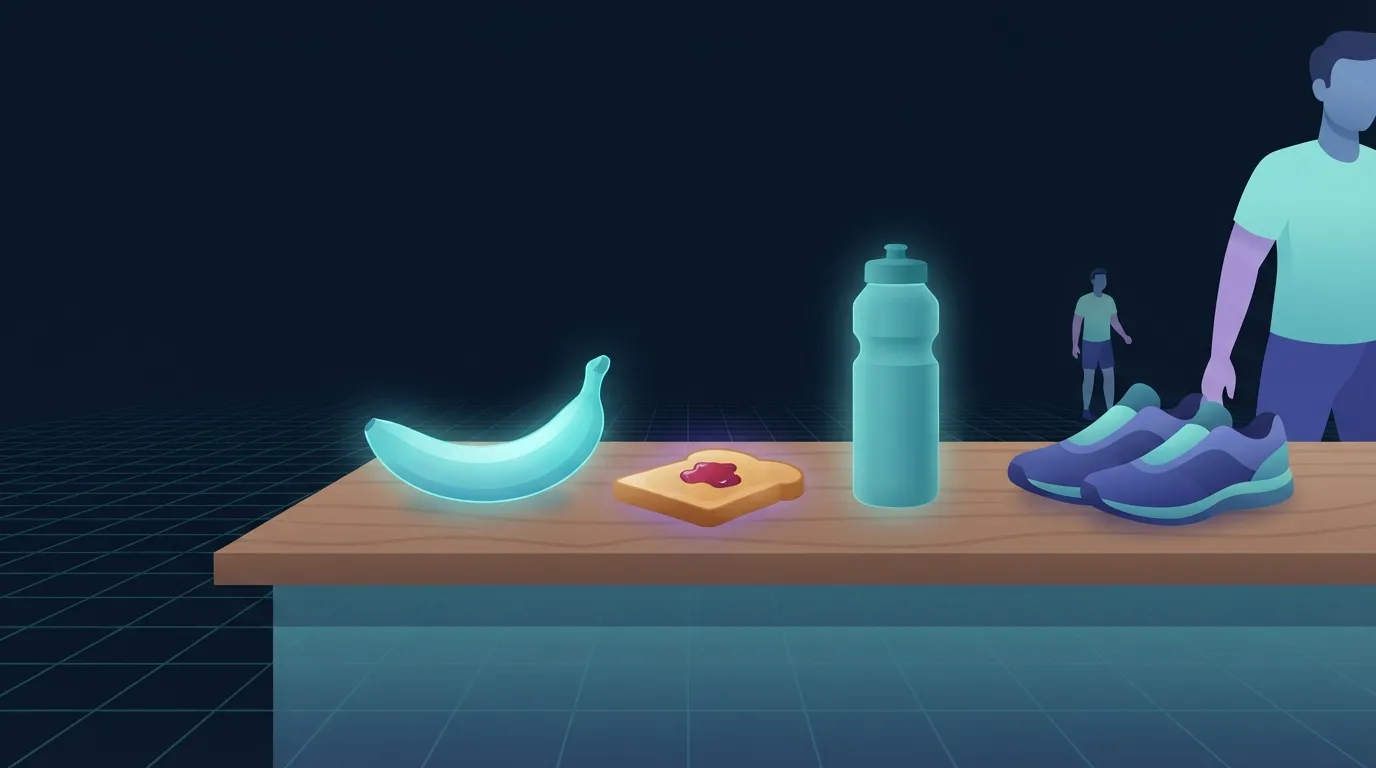
You are not eating a meal. You are topping up. A banana. A slice of toast with jam. Half a bagel with honey. A handful of dates. A rice cake or two. A sports drink. A small bowl of dry cereal. Roughly 30 to 50 grams of carbohydrate is enough for most people, most sessions. Protein and fat should be minimal; both take longer to leave the stomach and are the usual suspects when a pre-workout snack sits like a rock.
Zero to 15 minutes out: liquids or nothing
If you forgot to eat, a few sips of a sports drink or a small glass of juice will do more good than harm for a hard session. Solid food this close in is a coin flip on comfort. For an easy or short session, just start; your liver has enough glycogen to cover you.
Find out what's really holding you back
FitCraft, our mobile fitness app, pairs you with an AI coach who builds you a personalized plan around your goals, schedule, and fitness level. Every FitCraft program is designed by Domenic Angelino, MPH (Brown University) and NSCA-CSCS, with research published in the Journal of Strength and Conditioning Research and Medicine & Science in Sports & Exercise.
Take the Free Assessment Free • 2 minutes • No credit card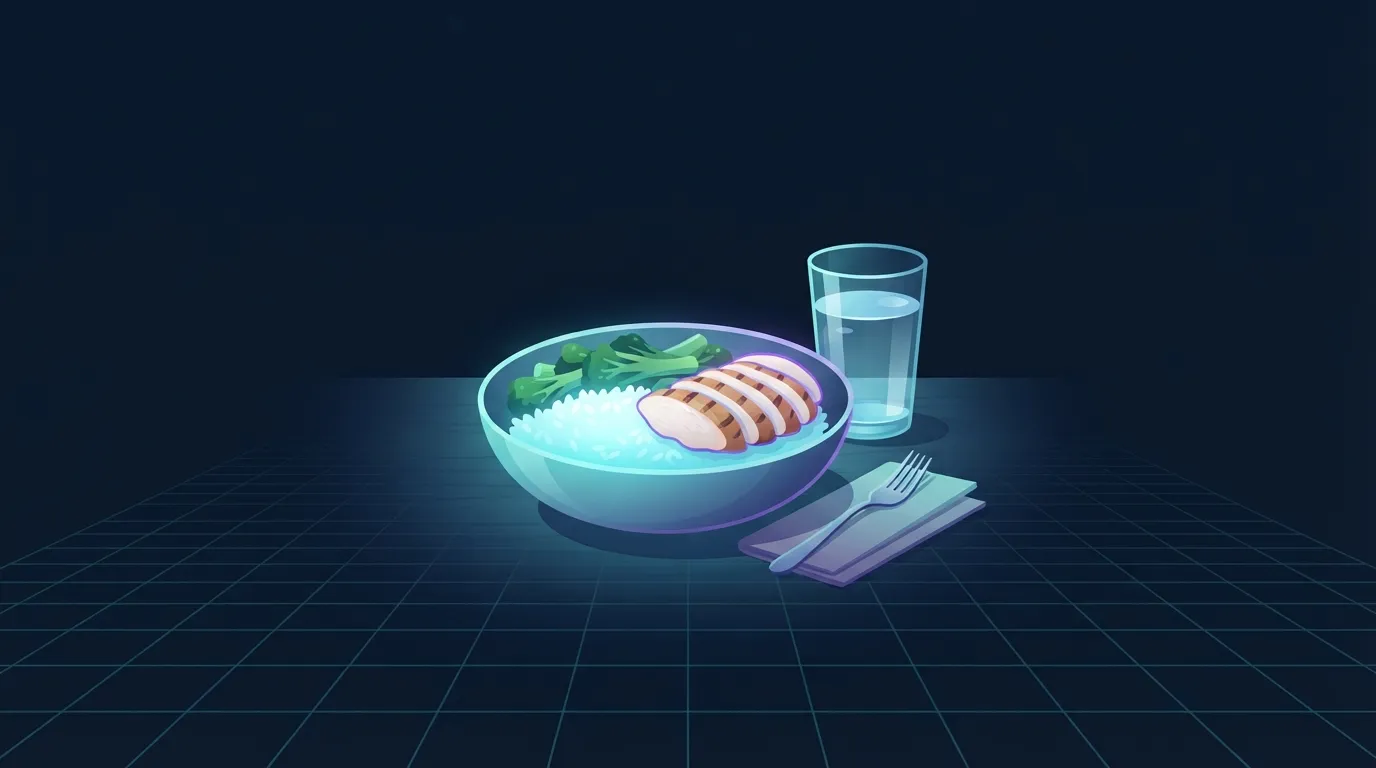
What About Fasted Training?
Training fasted is fine for a lot of sessions and worse for some. For easy cardio under an hour it makes essentially no difference to weekly progress in fit adults, and some people prefer it because it is one less decision in the morning. Our deep-dive on whether fasted workouts help weight loss covers the mechanism in detail.
For anything longer than about an hour, or anything at high intensity, fasted training reliably produces lower power output, higher perceived exertion, and worse-quality sessions. A 2016 meta-analysis by Vieira and colleagues in the British Journal of Nutrition found that fasted aerobic exercise burned slightly more fat during the session, but the effect did not translate into meaningful differences in body composition when weekly training was matched. In plain English: you burn a bit more fat during a fasted run, and a bit less over the course of the day, and the net is close to zero. Do it if you like it; do not do it because you think it is a fat-loss cheat code.
What is not fine: fasted heavy lifting, fasted intervals, or fasted anything over 90 minutes for most people. That is the fastest route to a session that ends with a rep or a mile you did not want to cut.
What About Caffeine and Pre-Workout Supplements?
Caffeine is the one pre-workout supplement with the strongest evidence base and the smallest downside for most people. Our review of caffeine and exercise performance covers the dose-response and side effects in detail, but the short version: 3 to 6 mg per kilogram of body weight, taken 45 to 60 minutes before a session, reliably improves endurance, strength endurance, and repeated-sprint output in most adults. Coffee gets you there without the price of a colored powder.
Beyond caffeine, the honest ranking is short. Creatine helps if you take it daily; when you take it does not matter. Beta-alanine helps for sessions in the one-to-four-minute all-out range; when you take it does not matter either. Beetroot juice helps at endurance intensities for some people. Everything else in the pre-workout aisle is either caffeine in a different bottle, an unproven blend, or something you would get from lunch. If you're weighing a scoop of the colored powder anyway, our breakdown of whether pre workout is bad for you covers the caffeine per serving, hidden blends and who should skip it.
What Most People Get Wrong
Eating a full meal too close to training. The classic. You have a busy day, you finally sit down at 6 p.m. with a big plate of pasta and a chicken breast, and by 6:45 you are at the gym feeling like it is a bad idea to bend over. The food is fine. The window was wrong. Cut the portion in half or push training back an hour.
Skipping food for a hard session in the name of fat loss. Training fasted is fine for easy cardio, but for a hard interval workout or a heavy lifting day, going in on nothing usually costs more work volume than the fasted state saves in calories burned. If you want fat loss, a modest calorie deficit across the day plus quality sessions beats a great empty stomach in the morning followed by three bailed sessions that week.
Trying a new food on a session day. Do not test new supplements, new brands of protein powder, or your friend's homemade energy balls in the ninety minutes before the workout you actually care about. Novel foods are for rest days. Sessions want boring, known food that has worked before.
Confusing appetite for fuel need. Not being hungry is not the same as not needing food. If you have not eaten in six hours and you are about to lift heavy, you probably need something even if you are not craving it. A banana is not a betrayal of your discipline.
Menu-Style: What To Actually Eat
- 3+ hours out: chicken and rice with vegetables. Pasta with tomato sauce and lean protein. Turkey sandwich with fruit. Oatmeal with berries and Greek yogurt. Eggs on toast. A rice bowl with tofu and cucumber.
- 2 hours out: a smaller version of the above, with fat and fiber pulled down. A wrap with turkey and lettuce. Sushi (rice-forward, not tempura). Rice cakes with cottage cheese and honey.
- 1 hour out: a bagel with a little peanut butter. A bowl of cereal with milk. Toast with jam and a piece of fruit. A smoothie with banana, oats, and a scoop of protein.
- 30 minutes out: a banana. A handful of dates. Rice cake with honey. Half a bagel with jam. A packet of oatmeal made with water. A sports drink.
- Right before: sips of a sports drink or juice. A gel if you are already used to them. Otherwise, just start.
None of this is a personalized plan. It is a set of defaults that work for most healthy adults doing normal training. If you have a medical condition, take medication that changes how you tolerate glucose, or you are training for something specific like a marathon or a physique competition, get individualized advice.
The single most useful upgrade for most people is not the exact food. It is deciding in advance. Pick two or three go-to options for the 2-hour window and two or three for the 30-minute window, and keep those foods in the house. Decision fatigue is what turns "I will eat something small before" into a granola bar at the door and a session that never quite fires. Our roundup of the best workout apps for weight loss covers how the strongest programs pair a training calendar with prompts around food, so the pre-workout decision is made for you the night before rather than in the parking lot.

Water and Electrolytes
Underrated in most pre-workout advice. Being 2 to 3 percent dehydrated at the start of a session raises perceived effort and drops performance, especially in the heat. Drink 500 ml (about 17 oz) of water two to three hours before, and another 200 to 300 ml (7 to 10 oz) in the 15 to 30 minutes before you start. If the session is over an hour or in serious heat, an electrolyte-containing drink is worth the trouble. If it is a 30-minute session in a cool gym, plain water is fine.
The Bottom Line
Pre-workout nutrition is not a puzzle. Match the food to the time you have. Far out, eat like a normal person. Close in, small and carb-forward. If it is an easy session or you are used to training on empty, you can skip it. If it is a hard session or long, do not skip it. Caffeine helps; most other pre-workout supplements do not. Water helps more than most people give it credit for.
The failure mode is almost never the food itself. It is picking the wrong window, or trying to be an ascetic on a day the session needed fuel, or blowing up a workout because you finally tried the pre-workout your friend swore by. Choose your defaults, keep them boring, and let the training do the interesting part.
Frequently Asked Questions
What should I eat 30 minutes before a workout?
Eat something small, mostly carbohydrate, easy to digest: a banana, a slice of toast with jam, a handful of dates, half a bagel with a little honey, a sports drink, or a rice cake. Keep protein and fat low because both slow gastric emptying and can sit heavy during effort. For most people, roughly 30 to 50 grams of carbohydrate lands well. If your session is short and easy, even less is fine or nothing at all.
Should I eat before a morning workout?
It depends on the session. For easy cardio under an hour, most people are fine training fasted if they slept and hydrated. For a hard interval session, heavy lifting, or anything over an hour, eating something first will let you train harder and finish stronger. A small carb-dominant snack like a banana or a piece of toast with jam is enough. The Vieira 2016 meta-analysis found that fasted training slightly favors fat oxidation during the session, but does not out-perform fed training for body composition or fitness over weeks.
How long before a workout should I eat a full meal?
Two to three hours for a full mixed meal, so gastric emptying is mostly done by the time you start. That gives you room for real carbohydrates (rice, pasta, potatoes, oats), a moderate portion of protein (chicken, fish, eggs, yogurt, tofu), and something colorful. If you have only 60 to 90 minutes, halve the portion and drop most of the fat. If you have 30 minutes or less, a small carb snack is the whole plan.
Do I need protein before a workout?
Not urgently. The ISSN position stand on nutrient timing concluded that total daily protein intake is the main driver of muscle adaptation, and that spreading roughly 0.4 to 0.55 g/kg of protein across three or four meals is more decisive than the exact minute before or after training. If your pre-workout meal is 2 to 3 hours out, a normal serving of protein is fine and helpful. Right before training, protein is optional and often uncomfortable.
Is coffee a good pre-workout?
Yes, and it is the most reliable performance-enhancing substance a normal person can buy. Roughly 3 to 6 mg of caffeine per kilogram of body weight, taken 45 to 60 minutes before a hard session, reliably lowers perceived exertion and improves endurance and repeated-sprint performance in trained and untrained adults. That is one to three cups of coffee for most people. Skip it late in the day if it wrecks your sleep.
What should I NOT eat before a workout?
Anything high in fat, high in fiber, or unfamiliar. Fried food, cheese-heavy meals, big salads, cream-based sauces, and beans within an hour of a session are the classic offenders. Alcohol is a poor idea within a few hours of training. New supplements, new flavors, and new brands are for rest days, not the day you actually need the workout to go well.