- Legumes are unusually nutrient-dense. A cup of cooked lentils gives about 18 g protein, 15 g fiber, and meaningful iron, folate, potassium and magnesium for ~230 calories.
- They lower LDL cholesterol in randomized trials. Ha and colleagues (CMAJ, 2014) pooled 26 RCTs and found one serving per day (about 130 g) reduced LDL by 0.17 mmol/L (~6.5 mg/dL).
- They are unusually filling per calorie. Li and colleagues (Obesity, 2014) pooled acute feeding trials and reported 31 percent greater satiety versus control meals.
- The evidence base is real but modest. Cardiovascular event data from observational studies trends protective but is not conclusive. What survives is a strong composite story: good macro profile, real LDL and glucose effects, high satiety, cheap, shelf-stable.
A thread on r/nutrition recently asked a good question. Why are beans and legumes so criminally underrated? For a food that is cheap, shelf-stable, high in protein, high in fiber, and one of a handful of foods with real randomized-trial evidence behind it, they get almost zero cultural airtime. No influencer is unboxing a can of chickpeas. Nobody is fighting on Twitter about lentils.
The research answer to "why are legumes so healthy" is fairly clean. They stack four things almost no other single food category stacks: a genuinely high protein-to-calorie ratio, a huge fiber load, a favorable micronutrient profile, and measurable clinical effects on LDL cholesterol, fasting glucose, and satiety in randomized trials. That is a rare combination.
Here is what the evidence actually shows, why the effects are real but modest, and how to work more legumes into a normal week without wrecking your gut.
What Legumes Actually Are (And Why the Category Matters)
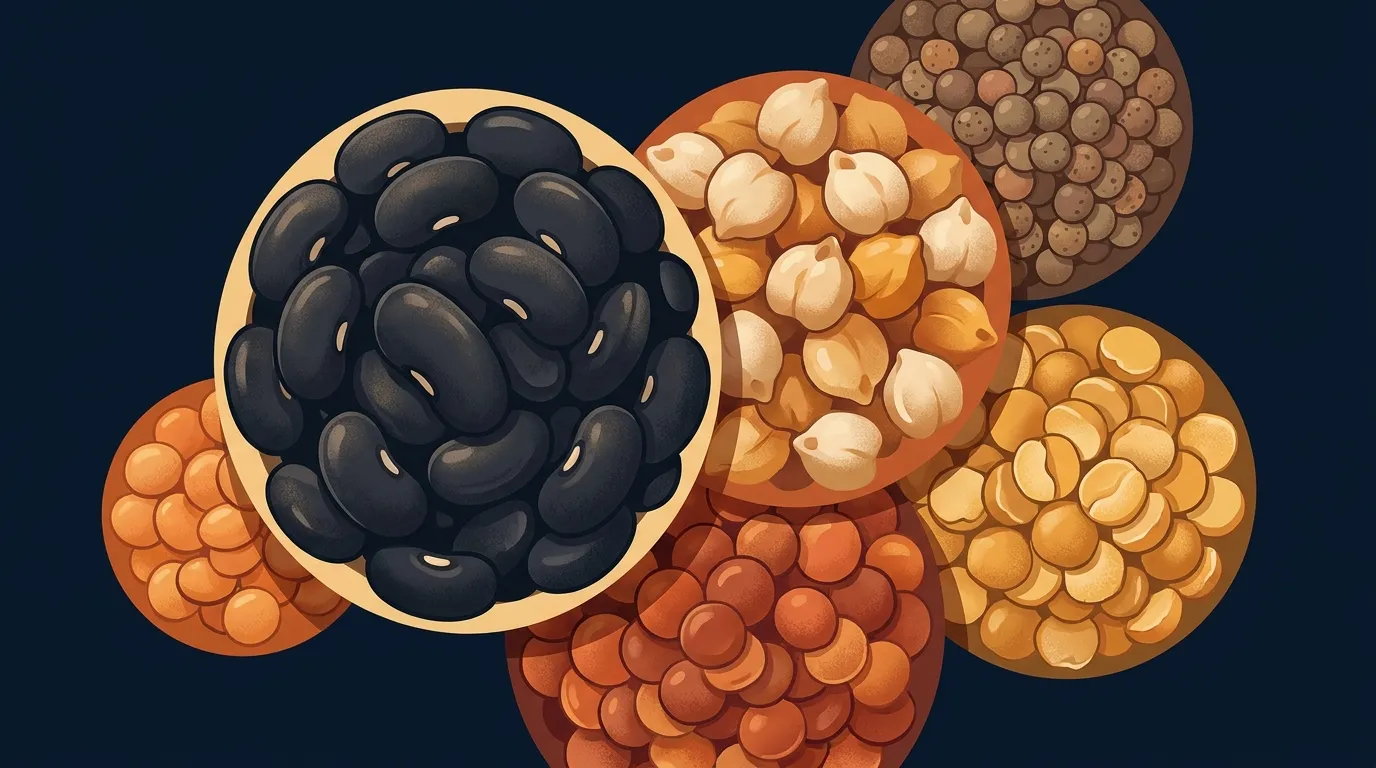
"Legumes" is a botanical family, not a marketing category. It includes beans (black, pinto, kidney, navy, white), lentils (green, red, brown, black beluga), chickpeas (garbanzos), split peas, edamame and soybeans, and peanuts. When nutrition researchers narrow further, they usually use the term "pulses" to mean the dry edible seeds specifically (beans, lentils, chickpeas, split peas, dry peas) and set aside fresh green peas, soybeans, and peanuts because those have very different oil, moisture, or preparation profiles.
All legumes share a rare macronutrient template. High protein (roughly 15 to 25 percent by dry weight, or about 15 to 20 g per cooked cup), high fiber (10 to 16 g per cooked cup, mostly soluble), low fat (usually under 2 g per cup, with soybeans as an exception), and slow-digesting carbohydrates. They are also dense in folate, iron, potassium, magnesium, zinc, and B vitamins per calorie. That combination shows up in almost no other single food category. Nuts are dense but calorie-heavy; grains are filling but low protein; leafy greens are micronutrient-rich but low protein and low calorie. Legumes hit an unusual sweet spot.
What the Research Actually Shows
Ha, Sievenpiper 2014: LDL Cholesterol Drops on One Serving Per Day
The most direct clinical evidence comes from Ha, Sievenpiper and colleagues (CMAJ, 2014), who systematically reviewed and meta-analyzed 26 randomized controlled trials covering 1,037 participants. Diets that included dietary pulses at a median dose of 130 g/day (roughly one serving, or about half a cup) lowered LDL cholesterol by a mean difference of 0.17 mmol/L (about 6.5 mg/dL) versus control diets, with a 95 percent confidence interval of 0.09 to 0.25 mmol/L. The effect held across age groups and both sexes.
A 6.5 mg/dL LDL reduction is not the kind of number that gets a supplement Instagram-famous, and yet it is meaningful. Cardiology guidelines typically consider a 10 mg/dL LDL reduction across a population associated with roughly a 5 to 6 percent reduction in cardiovascular events over the long term, so a food-based intervention producing two-thirds of that from one modest serving a day is a genuinely useful lever.
Li 2014: Legumes Are Unusually Filling
The satiety evidence is the other half of the story. Li, Kendall, Sievenpiper and colleagues (Obesity, 2014) pooled 9 acute feeding trials in which participants ate matched-calorie meals with or without dietary pulses, then rated fullness at intervals afterward. Pulses produced 31 percent greater satiety incremental area under the curve compared with control meals. Fullness scores rose faster, peaked higher, and stayed elevated longer.
Satiety per calorie is one of the most useful properties food can have. If you feel full sooner and stay full longer, you eat less over the day without needing conscious restriction. The mechanism is straightforward: fiber slows gastric emptying, plant protein triggers cholecystokinin release, and resistant starch ferments in the colon to release short-chain fatty acids that signal fullness back to the brain. All three levers get pulled by a single cup of beans in a way that a cup of white rice does not.
Thorisdottir 2023: Modest RCT Effects, Null Observational Signal
A more recent and cautious synthesis is Thorisdottir and colleagues (Food and Nutrition Research, 2023). They pooled both randomized controlled trials and prospective cohort studies looking at legume consumption and cardiovascular disease, coronary heart disease, stroke, type 2 diabetes, and risk-factor markers.
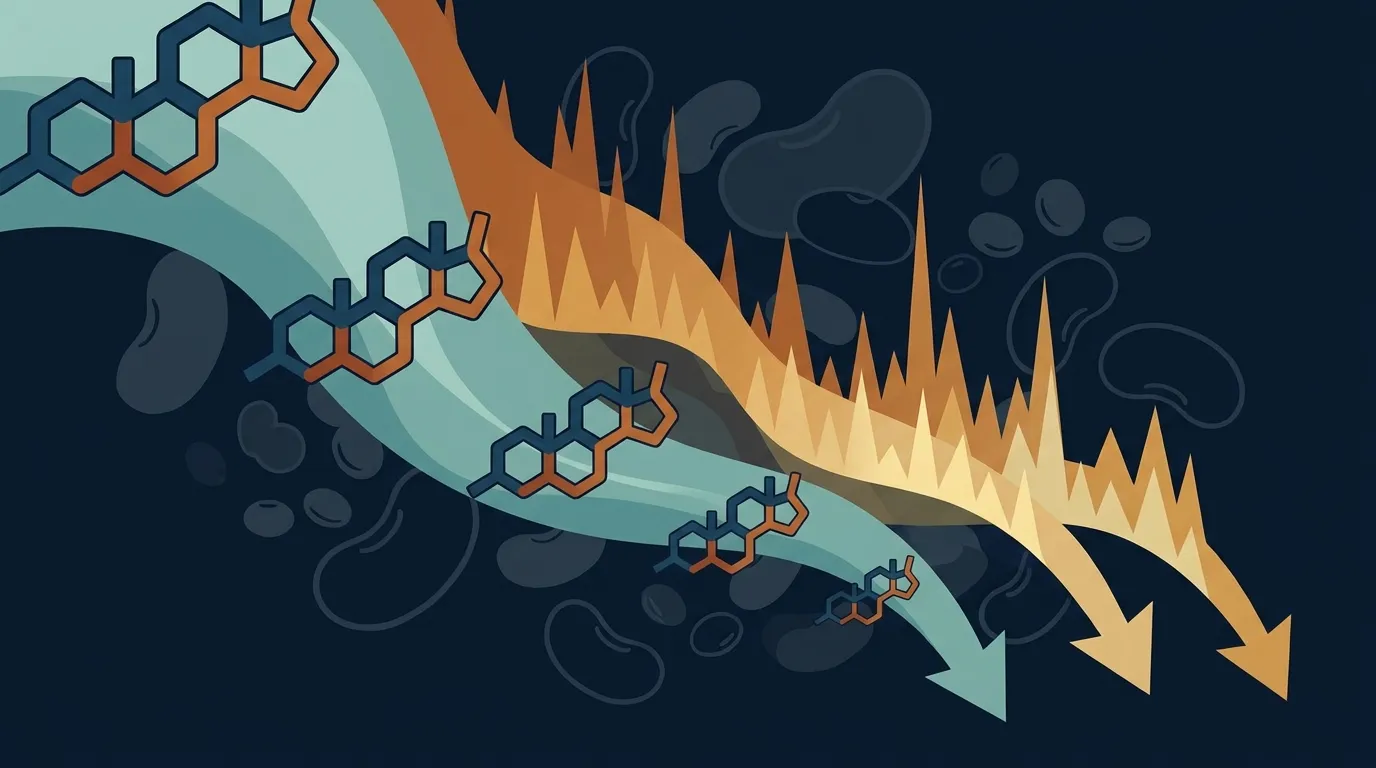
The RCT data replicated the smaller-scale prior work. Legume-containing diets produced modest reductions in total cholesterol (-0.22 mmol/L), LDL cholesterol (-0.19 mmol/L), fasting glucose (-0.19 mmol/L), and insulin resistance measured by HOMA-IR (-0.30). The observational data, however, was less impressive. Relative risks for total cardiovascular disease, coronary heart disease, stroke, and type 2 diabetes all sat near 1.0 with confidence intervals crossing 1. In plain language: RCTs show legumes moving the biomarkers, but the observational studies do not clearly show the hard endpoints (heart attacks, strokes, new diabetes) tracking with legume intake at the population level.
The honest read is that legumes are a good food based on multiple mechanistic and RCT lines of evidence, not a proven mortality intervention. The composite story is what makes them worth eating: dense nutrition, real biomarker effects, real satiety, real affordability, no known risks at normal intake. They are not magic. They are also not overrated.
Why the Cultural Underrating Persists
Given the composite evidence, why do beans and lentils sit at the bottom of the food-culture attention economy? A few reasons converge. Beans are cheap, which in most cultures means low status. They are associated with poverty cuisine (rice and beans, dal and rice, lentil soup) rather than aspirational eating. They are perceived as bland compared to steak, cheese, or trendy protein bars. And the "gas" cultural stereotype is stickier than the biology deserves: the flatulence effect fades within a couple of weeks as gut microbes adapt to fermenting the oligosaccharides.
Fitness culture underrates them for a different reason. The protein-per-serving numbers look worse than animal proteins on paper (18 g in a cup of lentils versus 25 g in a chicken breast half), and the carb count triggers reflexive avoidance in a demographic that has spent years being told carbs are the villain. Both objections dissolve on inspection. The lentil cup delivers 18 g of protein plus 15 g of fiber plus half a day's folate, iron, and potassium, for the same or lower calorie cost than the chicken. And the carbohydrate in legumes is a slow-digesting mix of resistant starch, soluble fiber, and complex carbs that behaves nothing like a slice of white bread on your blood sugar.
Knowing what to do is the easy part.
FitCraft, our mobile fitness app, pairs you with an AI coach who builds you a personalized plan around your goals, schedule, and fitness level. Every FitCraft program is designed by Domenic Angelino, MPH (Brown University) and NSCA-CSCS, with research published in the Journal of Strength and Conditioning Research and Medicine & Science in Sports & Exercise.
Take the Free Assessment Free • 2 minutes • No credit cardPractical: How to Eat More Legumes Without the Digestive Backlash
The main barrier to legumes for most people is not taste or availability. It is the ramp. Adding a full cup of beans overnight to a diet that was previously near-zero in fiber will produce a couple of uncomfortable weeks. Give the gut a chance and the discomfort resolves. A workable ramp:
- Week 1: a quarter cup of legumes twice a week. Well-cooked, rinsed, added to something you already eat (soup, salad, rice bowl).
- Weeks 2 to 3: half a cup three to four times a week. Try different varieties. Lentils cook fastest (no soaking, 20 minutes on the stove). Canned chickpeas need no prep beyond a rinse.
- Week 4 and beyond: aim for a full cup 4 to 6 days a week, distributed across meals. This matches the Blue Zones daily intake and hits the RCT dose for LDL benefit.
To keep digestion easy, cook legumes fully soft (undercooked beans cause more gas), rinse canned varieties thoroughly, and try soaking dried beans overnight and discarding the soak water. Alpha-galactosidase (Beano) can help during the ramp; it is generally not needed after 2 to 3 weeks of consistent intake as the gut microbes shift toward better fermenters.
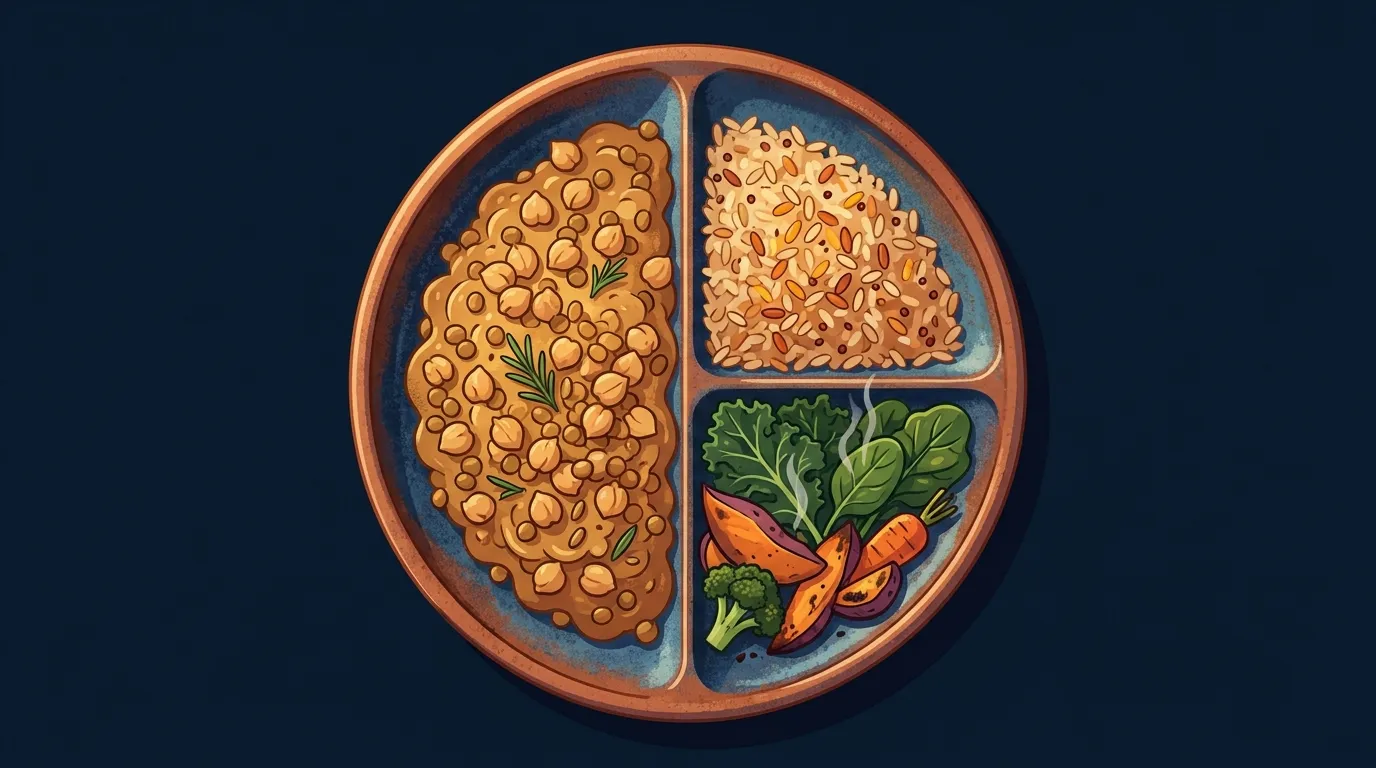
Easy legume-forward meals that take under 15 minutes: canned black beans, salsa, avocado and a sprinkle of cheese on a whole-grain tortilla. Lentil soup from a jar of passata plus 1 cup dry red lentils plus stock (25 minutes). Chickpeas roasted with olive oil, salt, and paprika. Hummus and cut vegetables. White beans smashed with olive oil, garlic and lemon on toast. Chili made with two kinds of beans and a small amount of ground meat. Roasted chickpeas and hummus carry more calories per bite than plain chickpeas, and our page on whether chickpeas are healthy works out by how much.
When Legumes Are Not the Answer
Even with a strong composite record, legumes are not a fit for every situation.
If you have a diagnosed FODMAP-sensitive gut condition (severe IBS, some SIBO cases), the oligosaccharide load in beans can trigger real symptoms that ramping does not resolve. Work with a dietitian on a low-FODMAP protocol and titrate legumes back in gradually as tolerance allows. Canned chickpeas rinsed thoroughly, and firm tofu, are usually better-tolerated than kidney or black beans.
If you are training for a physique competition and using extreme low-carb dieting, the carb load in legumes is real (about 40 g per cup), which may not fit your macro window. But for a general fitness goal or ordinary body composition improvement, that same carb load is a feature (it is slow-digesting, fiber-rich, and satiating), not a problem.
If you take warfarin or another vitamin-K-sensitive medication, the folate and vitamin K content of some legumes and legume-containing dishes can interact. Consistency of intake matters more than the specific amount; talk to your prescribing physician about ranges.
Beyond these specific cases, the population that should probably eat more legumes is everyone else. For a food that helps you hit a daily protein target, delivers most of your fiber, and stacks well with a simple, boring, consistent routine, legumes should probably feature in about half of your dinners.
The Honest Answer to the Reddit Question
The r/nutrition thread asking why beans and legumes are so underrated is asking a legitimate cultural question with a reasonably clean answer. Legumes are cheap, filling, cardioprotective on multiple RCT-measured biomarkers, packed with protein and fiber and micronutrients, and they suffer from a status problem that has nothing to do with the food itself. The evidence base is not perfect (observational data on hard endpoints is mixed) but the composite case for eating a cup a day, four or five days a week, is as clean as it gets in nutrition.
If you are already doing that, keep doing it. If you have been eating legumes maybe once a month because they never quite made it onto the shopping list, the fix is small (a bag of dried lentils and a few cans of chickpeas, kept where you can see them) and the payoff over a year is substantial. Cheap, easy, and evidence-based is a combination worth taking seriously.
Frequently Asked Questions
Why are legumes so healthy?
Legumes pack an unusual density of fiber, plant protein, and micronutrients into a low-calorie base. A cup of cooked lentils delivers about 18 grams of protein, 15 grams of fiber, and meaningful amounts of iron, folate, potassium, and magnesium for roughly 230 calories. That combination drives measurable effects in randomized trials. Ha and colleagues (2014, CMAJ) pooled 26 RCTs and found one serving of pulses per day (about 130 g) lowered LDL cholesterol by 0.17 mmol/L (about 6.5 mg/dL). Li and colleagues (2014, Obesity) pooled acute feeding trials and reported pulses produced 31 percent greater satiety than control meals. Thorisdottir and colleagues (2023, Food and Nutrition Research) confirmed modest reductions in fasting glucose and insulin resistance from RCTs. Cheap, dense, and filling, they consistently outperform their popularity.
Are beans a complete protein?
Not on their own, but almost. Beans are limited in the amino acid methionine, while grains are limited in lysine. Pair beans with rice, corn tortillas, or whole-wheat bread across the same day and you cover all essential amino acids. You do not need to combine them in the same meal (an older recommendation now considered unnecessary) as long as the total daily protein pattern includes both categories. For an adult targeting 1.6 g of protein per kg of body weight, one to two servings of legumes per day makes plant-forward protein targets much easier to hit.
How many beans should I eat per day?
The evidence supports about 100 to 130 g of cooked legumes per day, which is roughly half a cup to three-quarters of a cup. The Ha et al. 2014 meta-analysis used a median dose of 130 g/day and Blue Zones populations who live longest routinely eat about a cup per day. Start smaller (a quarter cup) if you are new to fiber and ramp over 2 to 3 weeks to give your gut microbes time to adapt. Going from near-zero to a full cup overnight is where the digestive complaints come from, not from legumes as a food.
Do beans cause weight gain?
No, and if anything the evidence points the other way. Kim and colleagues (2016, American Journal of Clinical Nutrition) meta-analyzed 21 RCTs (940 participants) on legume consumption and body weight and reported a small but statistically significant weight loss of about 0.34 kg on legume-containing diets versus controls over a median 6 weeks. The satiety data (Li et al., 2014) supports the mechanism: pulses raise fullness scores about 31 percent above matched control meals. In practice, replacing refined carbohydrates or fatty meats with legumes tends to reduce total calorie intake without conscious restriction.
Are canned beans as healthy as dried?
Nearly. The nutritional profile of canned beans is very similar to home-cooked dried beans; the only meaningful difference is sodium content, which is easy to solve. Rinse canned beans under cold water for 30 seconds to remove about 40 percent of the sodium from the canning liquid, or buy low-sodium or no-salt-added varieties. Time-efficiency matters for actual adherence, and if canned means you actually eat legumes 4 nights a week instead of dried beans you never soak, canned wins on the outcome that counts.