Every feature in FitCraft exists because research says it works. Streaks aren't there because they're trendy — they're there because habit formation science says they drive consistency. The gamification isn't a gimmick — it's grounded in randomized controlled trials. Here's the research.
Research Articles

Rowing Machine Benefits: What the Research Shows
Rowing engages roughly nine of ten major muscle groups in a single stroke, per Hagerman's 1984 Sports Medicine review, and Volianitis, Yoshiga and Secher (2020) attribute rowing's elite VO2 max values to near-whole-body recruitment. Moderate rowing runs 7 METs and vigorous 12 METs per Ainsworth et al. (2011), and the no-airborne-phase stroke keeps joint impact low.
Read the research →
Carb Cycling: What the Research Actually Says
Carb cycling has almost no direct human RCTs. Krieger (2006) meta-regressed 87 weight-loss trials and found the levers were the deficit size and total protein, not carb distribution. Longland (2016) showed a 40% deficit at 2.4 g/kg protein built 1.2 kg lean mass; 1.2 g/kg built 0.1 kg. What the pattern can and cannot deliver, honestly.
Read the research →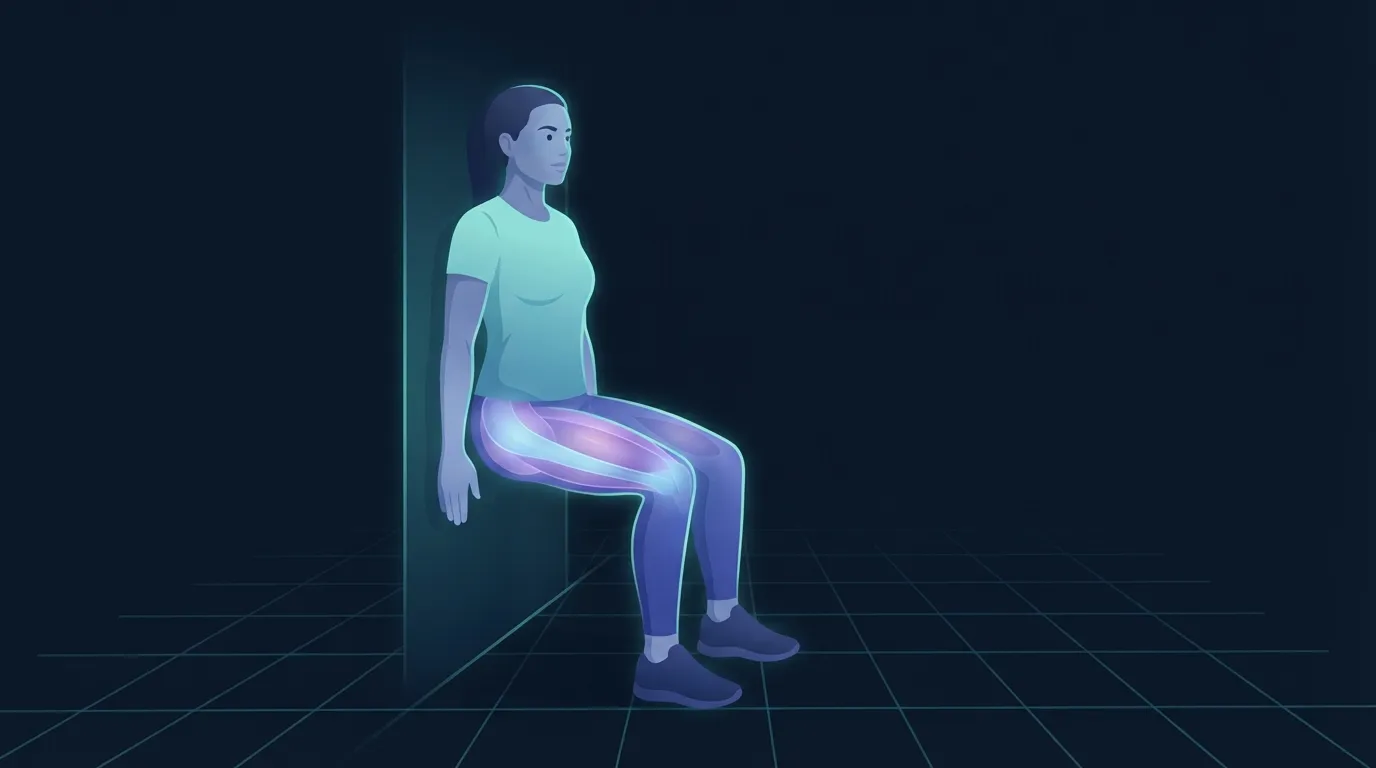
Isometric Exercises: What the Research Shows
Oranchuk 2019 pulled the systematic review together: 40% strength gains at the trained angle with meaningful 15-25 degree carryover, longer muscle lengths give the broadest transfer. Rio 2015 (BJSM, 5x45s heavy holds) cut patellar tendon pain 7 points on a 10-point scale within minutes. Edwards 2023 ranked isometric first for blood pressure. Umbrella evidence page.
Read the research →
Green Tea for Weight Loss: What the Research Says
Green tea catechins with caffeine nudge 24-hour energy expenditure ~4% (Dulloo 1999, respiratory chamber, N=10). Twelve-week RCTs at 500-690 mg catechins per day show 1 kg-ish body fat drops (Nagao 2007, N=240; Maki 2009, N=132). Meta-analysis lands on ~1.31 kg (Hursel 2009, 11 trials), Cochrane calls the effect small and clinically unimportant (Jurgens 2012, 14 trials). Real, small, not a lever.
Read the research →
How to Boost Metabolism: What the Research Says
Metabolism is 60-75% basal, largely a function of lean mass, and stable from age 20 to 60 per Pontzer (2021) in Science across 6,421 people. What actually moves it: build muscle (Nelson 1992 explains 84% of BMR from fat-free mass), raise protein (Halton and Hu 2004 put TEF at 20-30% of protein calories), and avoid aggressive deficits (Fothergill 2016 found 500 kcal/day adaptation six years post-Biggest Loser).
Read the research →
Cardio Before or After Weights? What the Order Research Shows
Lift first. Eddens (2018) pooled 10 trials and found resistance-first produced 6.91% greater lower-body dynamic strength gain (p=0.006), with nulls for hypertrophy, VO2max and body fat. Murlasits (2018) found leg 1RM 3.96 kg higher when strength came first. Gao and Yu (2023) confirmed it across 19 RCTs and 482 participants. Schumann (2022) showed the bigger lever is separation, not order: the penalty vanished at 3+ hours apart.
Read the research →
Cortisol Belly: What the Research Actually Says
Cortisol belly is a popular label, not a clinical diagnosis. What 11 studies say cortisol does and does not do to abdominal fat, and what actually reduces it.
Read the research →
Does Muscle Weigh More Than Fat? The Research
A pound is a pound. Muscle is about 18 percent denser than fat, so it takes up less space at the same weight. What the density data shows and what to track instead of the scale.
Read the research →
Does Creatine Make You Gain Weight? The Water-vs-Fat Answer
Yes, the scale moves. Antonio (2021) reports the 1-3 kg loading gain is mostly intracellular water in muscle, not fat. Powers (2003) measured a 6.2% rise in total body water over 28 days without changing fluid distribution. Volek (1999) showed 12 weeks of creatine + resistance training added 6.3% body mass and 6.3% fat-free mass. Chilibeck (2017) meta-analysis (22 RCTs, N=721) found +1.37 kg extra lean tissue in older adults. Kreider (2017) ISSN position stand and Antonio (2021) both conclude creatine does not increase fat mass.
Read the research →
Skinny Fat: What the Research Actually Says
Normal BMI with above-normal body fat is a real cardiometabolic risk, not a cosmetic label. Romero-Corral (2010) NHANES III found women with normal weight obesity had 2.2x higher cardiovascular mortality. Mohammadian Khonsari (2022) meta-analysis of 25 studies (N=177,792) reported metabolic syndrome odds 1.92x. Longland (2016), Barakat (2020), and Lahav (2026) show progressive resistance training plus 1.6 to 2.4 g/kg protein reverses the pattern; cardio alone does not.
Read the research →
Glutamine and Exercise Research: Does It Actually Build Muscle?
Candow (2001) gave 31 young adults 0.9 g/kg lean mass per day of oral glutamine or placebo across 6 weeks of resistance training and found no strength, lean-mass, or muscle-protein-degradation benefit. Wilkinson (2006) added glutamine to a post-exercise EAA drink with no additional protein-synthesis effect. Ramezani Ahmadi (2019) meta-analyzed 25 RCTs in athletes and found no significant immune, aerobic, or body-composition effects. Legault (2015) is the rare positive, but only in men after 80 unilateral eccentrics.
Read the research →
Contrast Water Therapy: What the Research Actually Shows
Bieuzen (2013) meta-analysis of 18 RCTs (356 participants) found contrast water therapy reduced muscle soreness at 24 hours (SMD -0.51), 48 hours (SMD -0.58), and 72 hours (SMD -0.40) versus passive recovery, with similar preservation of muscle strength. Vaile (2008) showed +0.5 to +2.2% sprint power preserved across five hard training days. Wang (2022) network meta-analysis ranks it second only to hot packs for 24-hour pain relief.
Read the research →
Cold Plunge for Recovery: What the Research Shows
Wang (2025) network meta-analysis of 55 RCTs found 10-15 minutes at 11-15°C ranked highest for reducing DOMS (SUCRA 84.3%), and 10-15 minutes at 5-10°C ranked highest for jump performance and creatine kinase clearance. Roberts (2015) and Piñero (2024) meta-analysis of 8 trials show post-lift cold plunge blunts hypertrophy. Timing matters more than temperature.
Read the research →
Reverse Dieting Research: What Studies Actually Show
The physiology is real. The protocol is unproven. Trexler (2014) laid out the metabolic-adaptation rationale, Fothergill (2016) documented a persistent 500 kcal/day RMR suppression six years post-Biggest Loser, and Muller (2016) quantified adaptive thermogenesis at 100 to 300 kcal/day. No RCT has yet compared a slow calorie ramp against a straight return to maintenance. The strongest defensible use case is behavioral, not metabolic.
Read the research →
Body Recomposition Research: What Studies Show
Body recomposition (gaining muscle and losing fat at the same time) is real, but the conditions are specific. Longland (2016) had men in a 40 percent deficit gain 1.2 kg lean mass and lose 4.8 kg fat on 2.4 g/kg protein plus hard training. Garthe (2011) showed slow weight loss (0.7 percent/week) built lean mass in elite athletes while fast loss didn't. Murphy and Koehler (2022) meta-analyzed 27 trials and pinned the deficit ceiling for lean-mass gain at about 500 kcal/day. The recipe: high protein, progressive resistance, modest deficit.
Read the research →
Slow Jogging Research: What 5 Key Studies Show
Slow jogging (Tanaka's niko niko pace) sits between brisk walking and easy running. Schnohr (2015) Copenhagen City Heart Study found lowest mortality in people who jogged 1-2.4 hours per week at slow pace (HR 0.29). Lee (2014) followed 55,137 adults and found runners had 30% lower all-cause mortality and lived ~3 years longer, with most benefit captured at doses under 51 min/week. Chakravarty (2008) tracked aging runners for 21 years: 39% lower mortality, no excess osteoarthritis. Pedisić (2020) pooled 232,149 participants. Small doses, no equipment, big longevity payoff.
Read the research →
Can You Build Muscle on a GLP-1 or Ozempic?
Often yes, but not automatically. A 2025 case series recorded lean soft tissue gains of 2.5 and 5.8 percent in two GLP-1 patients while a third lost 6.9 percent, with training and protein separating the outcomes. Longland (2016) showed men in a 40 percent deficit gaining 1.2 kg of lean mass in four weeks on 2.4 g/kg protein plus hard training. Beginners have the best odds; experienced lifters should aim to maintain.
Read the research →
Does Pilates Build Muscle? The Research
Kloubec (2010), Cruz-Ferreira (2011), and Carrasco-Poyatos (2019) show Pilates reliably improves muscular endurance, hamstring flexibility, and trunk strength, with head-to-head trials matching resistance training on isometric trunk strength in older women. Pinto (2022) and Oliveira (2024) confirm equivalent gains on most strength outcomes at low certainty. Real strength-and-endurance tool for the core, hips, and posterior chain, not a substitute for loaded resistance training if hypertrophy is the goal.
Read the research →
Do Compression Garments Help Recovery? The Research
Hill (2014) and Brown (2017) meta-analyses show compression garments produce a moderate reduction in DOMS and perceived fatigue when worn for 24 hours post-exercise, with the largest effect after resistance work. Li (2025) confirmed small significant restorative effects on strength (Hedges g -0.28) and power (g -0.23) across 28 studies. A real, modest recovery tool, not a magic bullet.
Read the research →
Rhodiola Rosea and Exercise: What the Research Shows
De Bock (2004) found a single acute 200 mg dose extended cycling time-to-exhaustion, while 4 weeks of daily use added nothing. Duncan (2014), Ballmann (2019), Sanz-Barrio (2023), and a 2025 meta-analysis of 26 RCTs fill in the endurance, RPE, and anaerobic story. Not caffeine-strength, but a real low-risk adjunct for the perceived-exertion angle.
Read the research →
HILIT: What the High-Intensity Low-Impact Research Shows
Cuenca-Martínez et al. (2022) pooled 13 HIIT trials in patients with musculoskeletal disorders and found pain dropped (SMD -0.73) and VO2max rose (SMD 0.69). Oliveira (2024), Fosstveit (2024), Viderman (2025), and Silva (2025) fill in the equivalence story. Bike, elliptical, pool, and standing circuits deliver the same intensity without the joint pounding.
Read the research →
BCAA Supplementation Research: Do They Work?
Jackman et al. (2017) showed BCAAs alone lift muscle protein synthesis 22% above control, but about half of what whey protein produces. Wolfe (2017) explains why: the six missing essential amino acids cap the ceiling. Here's when BCAAs actually help.
Read the research →
Alcohol and Muscle Recovery: The Research
Parr et al. (2014) showed heavy post-training drinking cut muscle protein synthesis 24% even with whey. Barnes et al. (2010) showed 22-point bigger strength losses at 36 hours. Here's the honest, dose-dependent read on drinking and gains.
Read the research →
Lengthened Partials: What the Research Says
Half-reps done only in the deep, stretched position of an exercise. Wolf et al. (2025) matched them to full ROM in trained lifters, Pedrosa (2022) and Kassiano (2023) found they often beat full ROM in beginners. Here's the evidence and how to program them at home.
Read the research →
Exercise for Lower Back Pain: The Research
Chronic low back pain is the world's leading cause of years lived with disability. What 249 randomized trials, the ACP guideline, and the JAMA prevention meta-analysis actually say about which exercise works and how much.
Read the research →
Power Training for Older Adults: The Research
Muscle power declines faster than strength after 60 and better predicts stairs, chair rises, and fall recovery. What 20 years of high-velocity resistance training research shows.
Read the research →
Nordic Walking Research: What 5 Key Studies Show
Poles turn a walk into a full-body workout. Church et al. 2002 (Res Q Exerc Sport) showed adding poles raised oxygen consumption and calorie burn at the same walking speed without a matching rise in perceived exertion. Tschentscher et al. 2013 (Am J Prev Med) pooled 27 studies across 1,893 people and found Nordic walking beat brisk walking on VO2 max, blood pressure, and quality of life. Bullo et al. 2018 (Rejuvenation Research) meta-analyzed 15 studies in adults 60-92 and reported large effect sizes for aerobic capacity (0.92), functional balance (0.62), and upper-body strength (0.66). Reuter et al. 2011 (J Aging Res) randomized 90 Parkinson's patients across 6 months and found Nordic walking produced the biggest gains in stride length, walking speed, and UPDRS motor score. Chen et al. 2026 (J Diabetes Res) found significant HbA1c, body weight, and HDL improvements in prediabetes and diabetes. Low-impact, full-body, and one of the best-supported walking variants for older adults and people with chronic conditions.
Read the research →
HMB Supplementation Research: What It Does
HMB is a metabolite of leucine. The 2024 ISSN position stand (Rathmacher et al., J Int Soc Sports Nutr) recommends ~38 mg/kg/day (about 3 g) alongside training. In older adults, the evidence is real: Li et al. 2025 (Front Nutr, 21 RCTs, 1,935 participants over 50) reported gains in appendicular muscle mass (+1.56 kg), handgrip (+0.54 kg), and gait speed (+0.05 m/s), with effects concentrated in trials of 12+ weeks at 3 g/day. Deutz et al. 2013 (Clin Nutr) showed 3 g/day preserved lean body mass over 10 days of bed rest in older adults, where placebo lost mass. In healthy young lifters the story flips: Jakubowski et al. 2020 (Nutrients, 11 double-blind RCTs, 302 participants aged 18-45) found no significant benefit on fat-free mass or 1-rep max. HMB is a sarcopenia and disuse tool, not a general muscle builder.
Read the research →
Does Creatine Cause Hair Loss? What the Research Shows
The entire hair-loss claim rests on one 2009 study of 20 rugby players. van der Merwe et al. (Clin J Sport Med) reported that after 7 days of loading and 14 days of maintenance, serum DHT rose about 40 percent above baseline and the DHT-to-testosterone ratio rose about 22 percent, but the study never measured hair. Fifteen years later, Lak et al. 2025 (J Int Soc Sports Nutr) published the first randomized double-blind placebo-controlled trial to actually count hair follicles under creatine: 38 resistance-trained men on 5 g/day for 12 weeks with direct trichoscopy of hair count, density, follicular unit density, terminal and vellus percentages, and anagen and telogen rates. No differences between creatine and placebo on any hormone or hair endpoint. The 2017 ISSN position stand (Kreider et al.) reviewed 500+ studies and stated no compelling evidence of hair loss; the 2021 Antonio et al. misconception review placed hair loss on the shortlist of unsupported creatine claims. Standard evidence-aligned dose remains 3 to 5 g/day of creatine monohydrate.
Read the research →
Turmeric and Curcumin for Muscle Recovery: The Research
Curcumin is the polyphenol inside turmeric that produces most of its anti-inflammatory effect. A 2024 PLOS ONE meta-analysis (Liu, Lin, Hu) pooled 14 RCTs of 349 subjects and found curcumin supplementation significantly reduced creatine kinase, subjective soreness, and IL-6 while improving range of motion after damaging exercise. Fang and Nasir 2021 (Phytother Res, 10 trials) replicated the soreness and inflammation findings. Drobnic 2014 (J Int Soc Sports Nutr, downhill running) cut MRI-visible muscle injury from 90% to 44% at 400 mg/day of the Meriva phytosome formulation. Effective doses cluster at 150 to 1,500 mg/day, with bioavailability-enhanced formulations (Meriva, BCM-95, piperine-enhanced) at the lower end. Load 48 to 72 hours before hard sessions, split morning and evening with fat-containing food, continue 48 to 72 hours after. Whole turmeric powder is only 2 to 5 percent curcumin, so culinary use won't hit the studied dose. Cycle around events, not year-round.
Read the research →
Tai Chi Cuts Falls 19-58%: What the Balance Research Shows
A Cochrane review, a landmark JAMA trial, and 25 years of RCTs converge on the same finding. Li 2018 (JAMA Internal Medicine, 670 adults 70+) found twice-weekly Therapeutic Tai Ji Quan cut falls 58% vs stretching and 31% vs a matched-dose multimodal exercise program. Sherrington 2019 (Cochrane, 108 trials, 23,407 participants) pooled tai chi at a 19% fall-rate reduction (RaR 0.81, high-certainty for number of fallers). Wolf 1996 (Atlanta FICSIT, J Am Geriatr Soc, 200 adults) showed a 47.5% reduction in multiple falls after 15 weeks. Huang 2017 meta-analysis (BMJ Open, 18 RCTs of 3,824 older adults) put the pooled rate of falls 31% lower (IRR 0.69, 95% CI 0.60-0.80) and the number of fallers 20% lower (RR 0.80). Voukelatos 2007 (J Am Geriatr Soc, 702 adults, community classes) replicated in an ecological setting. The dose that consistently drives the effect: two to three hour-long sessions per week, sustained for at least six months. Mechanism: slow-tempo weight shifts load the vestibular, proprioceptive, and visual systems simultaneously in a way faster movement can't, because fast movement coasts on momentum.
Read the research →
Vibration Plate Research: What the Evidence Actually Shows
Whole-body vibration went viral on TikTok. The peer-reviewed research tells a more measured story. Peng 2024 (Journal of Human Kinetics, 18 RCTs in athletes) found a real knee extensor strength gain (+8.86 N·m, p<0.00001), no jump-height benefit, and no VO2max change. Qiu 2025 (PLOS One, 21 RCTs in 748 healthy women) found a medium strength effect vs sedentary controls (SMD 0.534, p<0.001) but no significant advantage over actual exercise (SMD 0.274, p=0.118). Li 2024 (Brazilian J Med Biol Res, 13 RCTs in 783 postmenopausal women with osteoporosis) found significant lumbar spine and femoral neck BMD gains and pain reduction, with no body composition change. Sañudo 2024 (Physical Therapy, nursing home 80+) found a medium effect on functional lower-body strength (chair stand SMD 0.59, p=0.007). Bottom line: vibration plates are a small but real adjunct for older adults, postmenopausal osteoporosis, and people who cannot tolerate conventional exercise. Not a cardio replacement, not a fat-loss tool, and not a substitute for training in anyone who can actually train.
Read the research →
Copenhagen Plank: What the Research Actually Shows
A bodyweight side plank that loads the hip adductors eccentrically at long muscle lengths. Ishøi 2016, Harøy 2019, Serner 2014, and Polglass 2019 show large strength gains and about a 41% cut in groin problems in male footballers.
Read the research →
Rest-Pause Training: What the Research Actually Shows
Rest-pause pushes a set to failure or close to it, rests briefly (15 to 20 seconds), and squeezes out extra reps at the same load. Prestes 2019 (JSCR, 18 trained men, 6 weeks) found 11% thigh muscle thickness gains for rest-pause versus 1% for traditional sets, and 27% versus 8% for leg press endurance, with no strength differences. Enes 2021 (APNM, 28 trained males, 8 weeks, volume equated) found significantly greater 1RM back squat gains for rest-pause versus traditional (p=0.001) but similar hypertrophy across rest-pause, drop-set, and traditional groups. Korak 2017-2018 confirmed rest-pause allows more total reps at the same load. Marshall 2012 showed rest-pause produces greater neuromuscular fatigue than a cluster with matched rest and volume-load. Tsartsapakis 2026 meta-analysis found a small positive rest-pause hypertrophy signal, but noted the trial base is thin. Best for time-efficient sessions, fixed-load home training where you can't add weight, and trained lifters looking for a small strength edge on heavy multi-joint lifts.
Read the research →
Diaphragmatic Breathing: The Research
Slow, belly-driven, exhale-extended breathing has modest, well-replicated effects. Fincham et al. (2023, Nature Scientific Reports) meta-analysis of 12 RCTs (N=785) found breathwork lowered self-reported stress (Hedges g ≈ 0.35). Balban et al. (2023, Cell Reports Medicine) at Stanford showed 5 minutes daily of cyclic sighing beat mindfulness on mood after one month. Ma et al. (2017, Frontiers in Psychology) measured cortisol drops and attention gains at 4 breaths/min over 8 weeks. Zaccaro (2018) systematic review identified slow breathing (under 10 breaths/min, resonance around 5-6/min) as producing consistent autonomic effects. Yau & Loke (2021) synthesized 13 studies in hypertensive adults with systolic BP reductions in the 3-8 mmHg range.
Read the research →
Norwegian Singles Method: The Research
The amateur adaptation of Norwegian threshold training: sub-threshold intervals every other day, no doubles, no traditional VO2max sessions. Seiler & Kjerland (2006) documented the 80/20 polarized pattern in elite endurance athletes. Tonnessen et al. (2014, PLOS ONE) showed 94% aerobic training in 11 Olympic/World-Champion endurance athletes. Stoggl & Sperlich (2014, Front Physiol) randomized 48 well-trained athletes to 4 distributions for 9 weeks; polarized won on VO2max and time-to-exhaustion. Rosenblat et al. (2019) meta-analysis: moderate effect (ES −0.66) for polarized vs threshold. Casado et al. (2022) documented pyramidal TID in elite runners. Kelemen et al. (2024) reviewed the elite double-threshold model this method borrows from.
Read the research →
Whey vs Plant Protein: The Research
Whey has more leucine per gram, but the source gap is smaller than the internet says. Reid-McCann et al. (2025, 30 RCTs, N=1,538) found only a small muscle-mass advantage for animal protein (SMD −0.20) that disappeared for soy vs milk. Strength and physical performance were equivalent. Hevia-Larraín et al. (2021) protein-matched vegans on soy and omnivores on whey at 1.6 g/kg/day for 12 weeks and got equivalent leg mass and strength. van der Heijden et al. (2024) fed a pea-rice-canola blend at 32 g post-workout and matched whey for myofibrillar synthesis. Gorissen et al. (2018): whey averages ~11% leucine, plants 5-8%. Dose and blends close the gap.
Read the research →
Drop Sets: What the Research Actually Shows
Drop sets cut training time by half to two-thirds while matching traditional sets for hypertrophy and strength. Havers et al. (2026) meta-analysis in Sports Medicine Open (12 studies, n=274) found trivial differences vs. traditional training for hypertrophy (SMD 0.04) and strength (SMD −0.04), with substantially higher acute effort (RPE SMD 1.62) and blood lactate (0.67). Sødal et al. (2023) reached the same hypertrophy conclusion across 6 studies (SMD 0.155, p=0.392). Ozaki 2018 logged 2.1 min/session for drop sets vs 6.8 and 11.6 min for heavy and light traditional. Angleri 2017 volume-matched trial in trained men (n=32) showed identical CSA gains (7.6% to 7.8%). Use them on isolation and accessory lifts when session time is the binding constraint.
Read the research →
Resistance Band Training Research
Elastic bands built a reputation as rehab tools. The meta-analyses tell a different story. Lopes et al. (2019) pooled 8 RCTs and found no significant difference in strength gains between bands and conventional weights. Colado & Triplett (2008) matched a 10-week band program to weight machines in sedentary women and got equivalent gains. Lima et al. (2018) documented 16-44% strength gains with $20 of tubing. Bergquist et al. (2018) showed matched-effort EMG activation between bands and dumbbells. Liao et al. (2018) added lean-mass gains in older women with sarcopenic obesity.
Read the research →
Massage Gun Research
The acute-flexibility data is real. Konrad et al. (2020) got a 5.4-degree dorsiflexion bump from 5 minutes on the calf. Two 2023 systematic reviews (Ferreira, Sams) confirmed short-term ROM and pain benefits, and flagged that percussion pre-workout is neutral to slightly negative on explosive performance. Li et al. (2025) showed 40-minute post-DOMS sessions beat both static stretching and 25-minute sessions on pain, ROM, and jump recovery at 48 hours. Duration is the lever, not intensity.
Read the research →
Running Cadence Research
The 180 SPM number came from Jack Daniels counting elite Olympians. The peer-reviewed research is more useful. Heiderscheit et al. (2011) showed a 10% cadence bump cut knee energy absorption by ~34% in 45 recreational runners. Schubert et al. (2014) pooled 10 studies confirming the pattern. Bramah et al. (2019) trained 12 patellofemoral-pain runners to +10% step rate and saw large pain reductions (d=1.7 to 2.0) at 3 months. van Oeveren et al. (2017): inexperienced runners self-select 2-6% below their economic optimum. Aim 5-10% above your own preferred, not at 180.
Read the research →
Farmer's Carry Research
One walk loads grip, trunk, and lower body at once. Winwood et al. (2014) found the farmer's walk generates greater mean vertical and anterior forces than a matched 70% deadlift. McGill et al. (2009) mapped the trunk activation pattern (abs on stance, back extensors on swing). Ellestad et al. (2024) confirmed the moving carry beats a static hold on EMG. And grip strength itself is one of the strongest longevity signals in the Leong et al. (2015) Lancet PURE data.
Read the research →
Citrulline Malate and Exercise
The pre-workout ingredient with an actual meta-analytic base. Vårvik et al. (2021, 8 trials, N=137) found 8 g of citrulline malate 40-60 min pre-workout adds ~3 reps to failure (+6.4%). Trexler et al. (2019, 12 studies, N=198) confirmed a small overall benefit (SMD 0.20). Endurance evidence (Harnden 2023, N=158) is null. Pérez-Guisado & Jakeman (2010): the foundational 8 g/41-trained-men trial. Not for endurance, not for 1RM.
Read the research →
Sprint Interval Training
Short all-out sprints with long recovery. Gillen et al. (2016, PLOS ONE) showed 3x20-second cycle sprints, 3 times a week, matched 45 minutes of moderate cycling on VO2 peak, insulin sensitivity, and mitochondrial content at one-fifth the time. Sloth et al. (2013, 13 studies) pooled a weighted effect size of g=0.63 with VO2max gains of 4.2-13.4%. Vollaard et al. (2017): dose-response plateaus past ~4-6 sprints. Liang et al. (2024, PeerJ): moderate cardio still edges SIT on diastolic BP and absolute VO2 peak. Time-efficient, not superior.
Read the research →
Heat Acclimation Training
Ten to fourteen daily sessions of exercise in the heat drives measurable adaptations: plasma volume expands 5-7% (Périard 2015), exercising heart rate drops ~12 bpm, and time-to-exhaustion improves ~23% on average (Benjamin et al. 2019, meta-analysis). Rahimi et al. (2019, 11 RCTs) confirmed the time-trial gain. Passive post-exercise sauna reproduces the physiology but delivers only a trivial performance effect (Solomon & Laye 2025, 10 studies, N=199).
Read the research →
Beta-Alanine and Exercise
One of the ISSN's four evidence-backed ergogenic aids. Hobson et al. (2012, 15 studies, N=360) reported a 2.85% median performance improvement (ES 0.374). Saunders et al. (2017, 40 studies, N=1,461) confirmed a smaller but reliable overall effect, concentrated on high-intensity efforts of 30 sec to 10 min. Trexler et al. (ISSN, 2015): 4-6 g/day split into 0.8-1.6 g servings for 2-4+ weeks. Not acute, not anabolic.
Read the research →
Weighted Vest Research
Weighted vests are one of the year's biggest fitness trends. Snow et al. (2000, 5 years, N=18) saw hip BMD preservation with vest-plus-jumping in postmenopausal women. The 2025 INVEST trial (N=150) found vest use did not prevent hip bone loss during weight loss. Puthoff (2006) and Looney (2024) frame the metabolic cost. Here's what the evidence supports, and what it doesn't.
Read the research →
Nordic Hamstring Curl
The most-studied injury-prevention exercise in sport. van Dyk et al. (2019, 15 trials, 8,459 athletes) halved hamstring strain rates. Petersen et al. (2011, 942 Danish players) cut new injuries 59% and recurrences 86%. Timmins et al. (2016) linked short biceps femoris fascicles to a 4.1× injury risk. Here's how to program the movement at home.
Read the research →
Exercise-Induced Hypoalgesia
A single bout of aerobic exercise reduces pain sensitivity in healthy adults with a large effect size (Wewege & Jones 2021, g = -0.85). Naugle et al. (2012) confirmed effects across aerobic, isometric, and resistance modalities. Rice, Nijs, Kosek et al. (2019) show chronic pain populations respond variably. Polaski et al. (2019) found frequency per week best predicts long-term relief across 75 trials.
Read the research →
Exercise and Immunity
Chastin 2021 meta-analysis found regular activity is linked to ~31% lower risk of community-acquired infection and ~37% lower infection mortality. Campbell & Turner 2018 debunked the "open window" myth. Duggal 2018 showed lifelong cyclists in their 70s preserve thymic output at levels closer to young adults. The dose is the standard weekly target, not extreme volume.
Read the research →
GLP-1 and Exercise Statistics (2026)
The sourced numbers on GLP-1 medications and exercise: how much muscle comes off, how activity changes after starting, protein targets, and what resistance training does about it. Every stat cited.
Read the research →
What Is a Good HRV by Age?
Typical overnight HRV (RMSSD) ranges by decade, from ~55-105 ms in your 20s to ~25-50 ms in your 60s, drawn from published wearable data and the peer-reviewed healthy-adult reference (Nunan 2010: mean ~42 ms, range 19-75). HRV falls fastest between the 20s and 40s (Umetani 1998) and the decade bands overlap so heavily that comparing your number to anyone else's is meaningless. The only comparison that matters is you versus your own 30-60 day baseline.
Read the research →
Why Recovery Scores Differ Between Devices
Raw HRV and resting heart rate are measured reliably by good devices (Dial 2025: Oura within ~6% of ECG, WHOOP ~8%, wrist watches weaker), but the proprietary recovery scores built on top diverge because WHOOP Recovery, Oura Readiness, and Garmin Body Battery use different inputs, weightings, and baselines. Derived estimates carry more error still: wrist VO2max is off ~10-15% (Lambe 2025). Pick one device, follow its trend, not its daily verdict.
Read the research →
Concurrent Training: Does Cardio Kill Your Gains?
Hickson 1980 kicked off 40+ years of research on whether cardio interferes with strength. Modern meta-analyses have narrowed the effect. Schumann 2022 (43 studies) found no meaningful loss for max strength (SMD -0.06) or hypertrophy (SMD -0.01); only explosive power took a modest hit (SMD -0.28). Petré 2021 (27 studies) found interference on strength only in trained lifters (ES -0.35) and only when sessions were same-day (ES -0.66 vs -0.10 separated). Huiberts 2023 found lower-body blunting in men (SMD -0.43) but not women (SMD 0.08). Practical: separate sessions by 3+ hours, priority quality first when combining, low-impact cardio on lift days, cap endurance at 2-3 sessions per week for most people.
Read the research →
Menopause and Strength Training: The Statistics
A sourced, year-stamped roundup: more than 70% of women get musculoskeletal symptoms in the transition (Wright 2024), spine bone density falls ~2% a year (Finkelstein SWAN 2008), and LIFTMOR (Watson 2018) put 2.9% back with twice-weekly training. Chen 2021 and Radaelli 2025 confirm large strength and function gains after 60. The losses are real, and so are the gains.
Read the research →
The Push-Up Test as a Heart-Health Marker
Yang 2019 (JAMA Network Open) followed 1,104 active middle-aged men for 10 years. Those completing 40+ push-ups had a 96% lower incidence of cardiovascular events than peers doing fewer than 10. Push-up capacity out-predicted submaximal treadmill testing for future cardiovascular disease. The mechanism is indirect: push-up count reflects a fitness constellation (upper-body strength, muscular endurance, core stability, lean mass, neuromuscular quality) that co-varies with cardiovascular risk. Broader meta-analyses of ~2 million adults (Garcia-Hermoso 2018) confirm the muscular-fitness-to-mortality signal in both sexes. Cohort was all male firefighters, so the exact 40-rep threshold needs validation in women and sedentary adults. Practical benchmarks by age and sex, plus a wall-to-floor training progression that gets sedentary adults to 15 clean floor reps in 8-12 weeks.
Read the research →
Workout Adherence Statistics 2026
The sourced numbers on who quits and what keeps them going. Sperandei 2016 found 63% of new gym members quit before month 3 and fewer than 4% last a year. Fitness apps retain just 3-8% of users at day 30. Habits take a median of 66 days to form (Lally 2010), and most people quit right before that. What works: supervision roughly doubles adherence, and gamification lifts activity across 16 RCTs (Hedges' g=0.42), with the biggest step gains from self-chosen goals (+1,384) and competition (+920).
Read the research →
Cluster Sets: What the Research Actually Shows
Cluster sets insert 15-45 sec of intra-set rest between rep groups to preserve bar speed within a session. Latella 2019 meta-analysis (Sports Med, 25 studies) found clusters preserved peak velocity (SMD 0.82), mean velocity (0.86), and mean power (0.69). But Davies 2021 meta-analysis (Sports Med, 29 chronic studies) found NO chronic differences between cluster and traditional for strength (ES −0.05), power (0.02), velocity (0.15), or hypertrophy (−0.05). Cui 2025 confirms a tie for max strength overall, with a small cluster edge in 4-8 week blocks that reverses past 9 weeks. Vargas-Molina 2025 volume-and-effort-matched trial closes the door on the hypertrophy claim. Best for preserving within-session movement quality or fixed-load home training where you can't add weight.
Read the research →
Sarcopenia and Resistance Training: What the Research Shows
Cruz-Jentoft 2019 EWGSOP2 redefined sarcopenia around low grip strength (<27 kg men, <16 kg women) or slow chair-rise (>15 sec). Fiatarone 1994 NEJM trial in frail nursing-home residents (mean age 87) saw leg strength jump 113% after 10 weeks of high-intensity resistance training. Chen 2021 meta-analysis of 14 RCTs in 561 sarcopenic older adults found large gains in grip strength (SMD 0.81), knee extension (1.26), gait speed (1.28), and TUG (-0.93). Peterson 2010 quantified the dose response: about 5.3% more strength for each increment in relative intensity. Liu 2017 showed sarcopenia raises 5-year mortality risk by ~60%. Program 2-3 sessions per week at a challenging relative load; it works at 65, 75, and 95.
Read the research →
Protein Distribution Across Meals: What the Research Shows
Mamerow 2014 (J Nutr, n=8) found evenly distributed protein (~30g x 3 meals) produced a 25% higher 24-hour muscle protein synthesis rate than the same total back-loaded into dinner (10/15/65g). Areta 2013 (J Physiol, n=24 trained men) tested 8x10g vs 4x20g vs 2x40g across 12h post-exercise; 4 servings of 20g every 3 hours won. Moore 2015 established older adults need ~0.4g/kg per meal vs ~0.24g/kg for younger. Schoenfeld & Aragon 2018 recommend 0.4g/kg across 4+ meals to maximize hypertrophy. Total dominates; distribution is the second-order lever most people miss.
Read the research →
Jump Rope Research: Does Skipping Really Build Fitness?
Shao and Cao 2025 (BMC Pediatr, n=101 adolescents) reported VO2max gains of +4.0 mL/kg/min after 12 weeks of interval jump rope 3x per week versus +1.6 in controls; BMI dropped 2.1 kg/m² and body fat 1.3%. Sung 2019 dropped systolic BP from 126 to 120 mmHg in prehypertensive girls over 12 weeks. Sabău 2025 saw large leg-strength gains (Cohen's d over 1.0) from just 10 min of skipping once per week. Ha and Ng 2017 improved calcaneal bone density in pubertal girls. Program 20-40 minutes total per week, 2-3 days.
Read the research →
Kettlebell Swings: What the Research Actually Shows
Farrar 2010 (JSCR) recorded 87% max HR and 65% VO2max during 12 minutes of continuous swings. Falatic 2015 showed a 6% VO2max gain in NCAA athletes after 4 weeks. McGill and Marshall 2012 measured L4-L5 shear at 461 N (well under a deadlift). Meigh 2022 BELL trial delivered large grip and 6-minute walk gains in previously untrained adults over 60. Program 8 to 12 minutes of swings, 2 to 3 days per week.
Read the research →
Dead Hang and Longevity
Hang time went viral as a longevity test. The dead hang itself is not a validated mortality predictor, but the qualities it trains are. Leong 2015 (Lancet, 139,691 adults) found each 5 kg drop in grip strength raised all-cause mortality risk by 16%. Edwards 2023 BJSM meta-analysis showed isometric training drops systolic BP by 8.2 mmHg. Benchmarks and a feet-supported to full to active progression that reaches 30 seconds in 12 weeks.
Read the research →
Myokines and Exercise: The Muscle Signaling Research
Skeletal muscle is an endocrine organ. Pedersen & Febbraio 2012 (Nat Rev Endocrinol) framed the field. Wedell-Neergaard 2019 (Cell Metabolism, IL-6 blockade RCT) showed IL-6 mechanistically drives exercise-induced visceral fat loss. Boström 2012 (Nature) discovered irisin; Wrann 2013 (Cell Metabolism) linked FNDC5 to hippocampal BDNF. Contraction is the trigger; frequency matters as much as peak intensity.
Read the research →
Taurine and Exercise: The Research
Waldron 2018 meta-analysis (10 endurance trials) found Hedges' g = 0.40 acute effect. Deng 2025 confirmed small-to-moderate benefits on aerobic tasks. Effective dose 1 to 6 g, 1 to 3 hours pre-exercise, no benefit to loading. The 2023 mouse-lifespan story is contested after the 2025 Fernandez follow-up in humans.
Read the research →
Ashwagandha and Exercise Performance
Li 2026 three-level meta-analysis of 13 trials in 599 people found small but real ashwagandha effects on strength, VO2max, and recovery. Wankhede 2015 and Ziegenfuss 2018 anchor the RCT evidence. Effective dose: 500 to 600 mg per day of standardized root extract for 8 to 12 weeks. Not a pre-workout, biggest response in recreational trainees.
Read the research →
Exercise and Anxiety
Stubbs 2017 pooled 6 RCTs in diagnosed anxiety and found SMD -0.58 (moderate effect). Aylett 2018 got -0.41 in general practice with high-intensity beating low-intensity. Gordon 2017 confirmed resistance training also works. Mechanisms: GABA, BDNF, HPA-axis downregulation, and interoceptive exposure. A complement to treatment, not a replacement.
Read the research →
Omega-3s and Muscle: What the Research Shows
A 2015 AJCN trial gave 3.6 g/day of EPA plus DHA to older adults for 6 months and saw ~3.6% muscle volume gain, +2.3 kg handgrip, and ~4.0% one-rep max. Rodacki 2012 added fish oil to strength training in elderly women and beat training alone. McGlory 2019 cut disuse muscle loss from 14% to 8% during immobilization. Omega-3s are a signal amplifier, not a stand-alone muscle builder.
Read the research →
Collagen for Tendon Health
A 16-week 2025 RCT in Medicine & Science in Sports & Exercise found 10 g of collagen peptide daily significantly increased Achilles tendon stiffness and explosive strength. Shaw and Baar (2017) anchor the mechanism. Praet (2019) adds evidence for chronic tendinopathy. But a 2024 meta-analysis found no significant effect on strength performance. A slow-acting connective-tissue tool, not a muscle builder.
Read the research →
Tart Cherry Juice and Muscle Recovery
A 2026 Sports Medicine – Open meta-analysis of 19 trials found tart cherry juice significantly improves maximal voluntary contraction recovery and lowers IL-6 and IL-8 after damaging exercise. Howatson 2010, Kuehl 2010, and Bell 2014/2016 anchor the evidence. Effects on soreness are smaller than the marketing implies. Best used as a targeted load around events and hard sessions, not daily year-round.
Read the research →
Musculoskeletal Syndrome of Menopause
Wright et al. 2024 (Climacteric) named the cluster of arthralgia, sarcopenia, bone loss, and osteoarthritis progression that hits 70 percent of women in the menopause transition. LIFTMOR (Watson 2018) shows 8 months of progressive resistance training reverses pieces of it.
Read the research →
Creatine Loading vs Maintenance
Hultman 1996 (J Appl Physiol): 20g/day for 6 days and 3g/day for 28 days produced the same 20% muscle creatine saturation. The ISSN 2017 position stand and Antonio 2021 review confirm loading is optional. Same ceiling, different runway.
Read the research →
Does Vitamin D Boost Strength and Performance?
Han et al. 2024 (Frontiers in Nutrition, 10 RCTs, 318 athletes) found vitamin D3 helps lower-limb strength (SMD 0.57, p=0.04) but not handgrip, vertical jump, or bench press, with benefit concentrated in athletes starting insufficient. Harju 2022 found 30% of adult and 39% of adolescent elite athletes are insufficient. Bolland 2018 (81 RCTs, 53,537 participants) found no effect on falls or fractures. The 2024 Endocrine Society guideline recommends against routine high-dose supplementation in healthy adults under 75.
Read the research →
Exercise and Insulin Sensitivity: What the Research Shows
A single bout of exercise raises insulin sensitivity for 24 to 48 hours through GLUT4 translocation. Way 2016 (Diabetes & Metab J meta-analysis) found training cuts insulin resistance in type 2 diabetes with a pooled effect size of -0.59. Croymans 2013 showed 12 weeks of resistance training raises muscle GLUT4 protein. Dunstan 2012 found short walks every 20 minutes cut postprandial insulin by 23%. Frequency matters more than total minutes.
Read the research →
Single-Leg Training: What the Research Says
Kassiano et al. (2025, Sports Medicine, 9 RCTs) found no detectable hypertrophy difference between matched unilateral and bilateral training. Liao 2022 (Biology of Sport, 14 trials, 392 subjects) and Zhang 2023 (Frontiers, 28 studies) showed strength gains followed a strict rule of specificity. Manca 2017 documented a 11.9% cross-education effect on the untrained side. Bulgarian split squats and pistol squats build muscle as well as bilateral squats.
Read the research →
Beetroot Juice and Exercise Performance
Dietary nitrate from roughly 500 ml of beetroot juice (6 to 8 mmol) taken 2 to 3 hours pre-exercise cuts the oxygen cost of submaximal exercise by 3 to 5% and extends time to exhaustion by 15 to 25%. Bailey 2009, Wylie 2013, Domínguez 2017, and Senefeld 2020 anchor the evidence. Biggest gains: recreational athletes in events 5 to 30 minutes. Mouthwash kills the pathway.
Read the research →
Pre-Sleep Protein for Muscle Growth
Res et al. (2012, MSSE) showed 40g of casein before sleep raised overnight muscle protein synthesis 22% versus placebo. Snijders et al. (2015, J Nutr, 44 young men, 12 weeks) found pre-sleep casein produced larger quadriceps CSA gains and bigger 1RM increases than an isocaloric placebo. Kouw et al. (2017) replicated the overnight synthesis effect in older men. The dose that works: 30-40g of slow-digesting protein, 30-60 minutes before bed.
Read the research →
ACSM 2026 Resistance Training Guidelines, Explained
ACSM's first resistance training position stand in 17 years (Currier et al. 2026, MSSE, PMID 41843416) pooled 137 reviews and 30,000+ adults. Hypertrophy: 10+ sets/muscle/week, loads 30-100% 1RM at sufficient effort, eccentric emphasis. Strength: ≥80% 1RM, full ROM, 2-3 sets, key lifts first. You don't need a gym, and you don't need to train to failure. Here's the at-home translation.
Read the research →
Nasal Breathing During Exercise
The 2025 BreathWISE trial (Mapelli et al., PLOS ONE) cut peak VO2 by 16 percent and peak ventilation by 37 percent when healthy adults were forced to breathe nasally at max effort. Yet Eser et al. 2024 in Frontiers found nasal breathing improved ventilatory efficiency by 9 percent in heart failure patients. The reconciling variable is intensity. Nose for warm-up and zone 2. Mouth opens past the talk test.
Read the research →
GLP-1 Muscle Loss: What the Research Shows
Semaglutide and tirzepatide work. They also send 25 to 45 percent of weight lost out as lean tissue (Wilding 2021 STEP 1, Look 2025 SURMOUNT-1). Resistance training plus 1.2-1.6 g/kg protein closes most of the gap (Sardeli 2018, Neeland 2024). You do not need a gym.
Read the research →
Training Frequency for Muscle Growth: What Research Shows
When weekly volume is matched, training a muscle once, twice, or three times per week produces nearly identical hypertrophy (Schoenfeld 2019 meta of 25 trials). Strength gets a small frequency bump (Grgic 2018, Ralston 2018). Cuthbert 2021 confirmed no advantage to very high frequencies in trained athletes. Twice a week is the practical sweet spot.
Read the research →
Tabata Protocol: What the Research Actually Shows
Eight rounds of 20 seconds all-out, 10 seconds rest. Tabata 1996 raised VO2 max about 13% and anaerobic capacity 28% in 6 weeks at supramaximal cycling intensity. Foster 2015 and Emberts 2013 show what the format does when the intensity is honest but not lab-grade. Use it as one tool, not the whole plan.
Read the research →
Polarized Training Research: Does the 80/20 Rule Work?
Stöggl & Sperlich 2014 RCT (n=48): polarized 80/20 training improved VO2 peak +11.7%, time to exhaustion +17.4%, beating threshold and high-volume models. Oliveira 2024 Sports Med meta (17 studies, n=437) confirmed a small VO2 advantage for polarized. Seiler 2010 framework. Why easy days easier and hard days harder beats the threshold middle.
Read the research →
Max Heart Rate Formula Research
Robergs 2002 traced 220 minus age back to a 1971 graph with ±10 to ±12 bpm error. Tanaka 2001 (18,712 subjects pooled, 514 validated) gave the cleaner 208 minus 0.7 times age. Gulati 2010 (Circulation, 5,437 women) produced a female-specific 206 minus 0.88 times age. Nes 2013 HUNT (3,320 active adults) reported 211 minus 0.64 times age. Shookster 2020 confirmed individual error stays near 10 bpm regardless of formula.
Read the research →
BDNF and Exercise
Cheng 2025 (Frontiers in Aging Neuroscience, 17 trials / 900 older adults) shows walking, running, and cycling raise circulating BDNF (SMD = 0.62). Low-to-moderate intensity walking ranks highest (SUCRA 99.9%). Wang 2022 meta-analysis: acute SMD 1.20, chronic 0.68. Erickson 2011 PNAS: 12 months of walking grew the hippocampus 2%, mediated by serum BDNF.
Read the research →
Does Magnesium Help Muscle Cramps?
The 2020 Cochrane review by Garrison et al. pooled 11 trials and 735 participants and found magnesium does not meaningfully reduce idiopathic cramps. Schwellnus's neuromuscular control model says why: cramps are a runaway spinal reflex, not a mineral shortage. But Tarsitano 2024 shows 350-500 mg may modestly reduce post-workout soreness.
Read the research →
Heart Rate Variability Training
Manresa-Rocamora 2021 meta-analysis found HRV-guided training preserves vagal HRV better (SMD 0.50) than fixed plans, but shows no significant VO2max edge. Vesterinen 2016: HRV-guided runners did about 5 fewer hard sessions (13 vs 18) and gained slightly less VO2max, yet were the only group to significantly improve their 3000-m time. The morning number on your wearable is noise. The 7-day rolling average vs your own baseline is the signal.
Read the research →
Foam Rolling Research
Wiewelhove 2019 meta-analysis of 21 studies found foam rolling produces small but real benefits: pre-exercise sprint d=0.32, acute flexibility gains without the strength cost of static stretching, post-exercise soreness reduction. Behm & Wilke 2019 dismantled the "fascial release" story — the real mechanisms are neurophysiological.
Read the research →
When Does Physical Decline Start?
Westerståhl 2025 (J Cachexia Sarcopenia Muscle, 47-year SPAF study, n=427) found aerobic capacity peaks at 26-36, muscular endurance at 34-36, leg power earlier. Decline starts at 0.3-0.6%/yr and accelerates to 2.0-2.5%/yr by 63. Fleg 2005 BLSA confirms: >20%/decade after 70. Late starters gained 6-11% in fitness measures.
Read the research →
Inspiratory Muscle Training Research
Romer 2002 RCT: 6 weeks of pressure-threshold IMT improved 40 km cycling time trial 4.6% above placebo. Illi 2012 meta-analysis of 46 trials confirmed endurance gains. Witt 2007 showed the mechanism — IMT blunts the metaboreflex that steals blood from your legs. Chen 2025 replicated in amateur runners.
Read the research →
Incline Walking Research
Wong 2025 UNLV study (N=14) put the 12-3-30 under indirect calorimetry: 307.58 kcal in 30 minutes at 40.56% fat as fuel vs 33.12% for running. Minetti 2002 mapped the energy-cost curve from -45% to +45% grade. Himmelreich 2008 found 25% more gluteus maximus activity at 10% incline. Higgins 2024 found incline walking reduces peak knee abduction moment. The viral protocol, validated.
Read the research →
Time Under Tension
Schoenfeld 2015 meta-analysis of 8 studies found similar hypertrophy across rep durations from 0.5 to 8 seconds when volume and effort matched. Burd 2012 protein synthesis trial, Tanimoto 2006 slow-tempo-light-load study, Wilk 2021 review, and Lasevicius 2022 failure trial together show tempo is a tool, not the master variable. Volume and proximity to failure are.
Read the research →
Plyometric Training Research
Markovic 2007 BJSM meta-analysis found vertical jump improved 4.7-8.7% across standard tests. Sáez de Villarreal 2009 (56 studies) mapped the dose: 10+ weeks, 50+ jumps/session, multiple jump types; added weight does not help. Sáez de Villarreal 2012 extended the effect to sprint speed. Babatunde 2012 found femoral neck BMD up SMD 0.64. Al Attar 2022 (9 cluster RCTs, 14,000+ athletes) cut ACL injuries 60%.
Read the research →
Blood Flow Restriction Training
Loenneke 2012 meta-analysis (11 studies, 102 participants) found low-load BFR at 20-40% 1RM produced strength gains effect size 0.58 over matched low-load, comparable to heavy training. Hughes 2017 BJSM rehab meta-analysis, Patterson 2019 position stand (40-80% AOP), Centner 2019 in adults over 60, Cahalin 2022 functional outcomes. Real method, narrow operating window.
Read the research →
Backward Walking Research
Alghadir 2019 RCT in 68 adults with knee OA: 6 weeks of retro-walking cut pain and built quadriceps strength more than forward walking. Flynn 1994: backward walking burns ~30-40% more energy at matched speed. Terblanche 2005: 6 weeks dropped body fat 2.4% and raised VO2 5.2%. Useful supplement, not replacement.
Read the research →
Walking After Meals and Glucose
Reynolds 2016 (Diabetologia): 10-min walks after each meal cut post-meal glucose 12% in adults with T2D vs. one 30-min daily walk. Buffey 2022 (Sports Med) showed even 2 to 5-min walks help. The post-dinner walk does the most work.
Read the research →
Sit-to-Stand Test as a Longevity Marker
Brito 2014 (n=2,002 adults, EJPC) found each 1-point lower sitting-rising-test score tracked with 21% higher mortality, and scores of 0-3 carried 6.5x higher risk vs 8-10. Cooper 2010 BMJ meta-analysis (57 studies) and Guralnik 1994 SPPB (n=5,000+) confirm the broader chair-stand and functional-capability mortality signal. What the floor-to-stand test actually measures, and how to train it.
Read the research →
Zone 2 Training Research
San-Millán & Brooks 2018: zone 2 is the intensity that maximally stimulates mitochondrial function in Type I fibers. Stöggl & Sperlich 2014 showed polarized training (80% easy / 20% hard) beat threshold work in elite endurance athletes. Holloszy 1967 set the mitochondrial foundation. Here's the science behind the buzzword.
Read the research →
Stair Climbing and Longevity
Paddock 2024 meta-analysis (n=480,479): regular stair climbers had 24% lower all-cause mortality and 39% lower CV mortality. Allison 2017 showed three 20-second flights, 3x/week for 6 weeks, raised VO2 peak 12% in healthy young women.
Read the research →
Strength Training and the Alzheimer's Brain
2026 AGUEDA trial: 24 weeks of resistance training reshaped Alzheimer's-pattern brain imaging in older adults, with the largest effect (-0.64 SMD) in amyloid-positive participants.
Read science →
Norwegian 4x4 Protocol
Helgerud 2007: four 4-min intervals at 90-95% max HR raised VO2 max about 7% in 8 weeks, beating moderate cardio at matched workload. Replicated in heart-failure patients (Wisloff 2007) and adults aged 70-77 (Generation 100).
Read the research →
Walking Pad Research: 13 Studies Decoded
A 2021 BMC Public Health meta-analysis of 13 studies found under-desk walking pads add 105 kcal/hour and cut sitting time, but cardiometabolic gains were modest. Typing accuracy drops above 1.5 mph. Here's what the research really says.
Read the research →
Balance Training Cuts Fall Risk 24%
Sherrington 2019 Cochrane review of 108 trials (n=23,407) found balance and functional exercise reduce falls 24%. Combined balance + strength: 34% reduction. Walking alone? No significant effect. The dose: ~3 hours weekly, sustained.
Read the research →
Rucking Research
Carrying 15-30% of body mass roughly doubles oxygen demand versus unloaded walking. Knapik 2012 J Strength Cond Res: combined strength + load-carriage training produces the largest gains. Snow 2000 preserved hip BMD over 5 years. The 2025 INVEST trial complicated the bone-density story for weight loss.
Read the research →
VO2 Max and Longevity
Mandsager 2018: 122,007 adults — cardiorespiratory fitness predicts mortality with no upper limit of benefit.
Read the research →
Soleus Pushup Research
Hamilton 2022 iScience (n=25): sustained seated soleus contractions cut postprandial glucose 52% and insulin 60%. A 2025 prediabetes pilot replicated a 32% drop. The mechanism is sustained type 1 oxidative work without glycogen depletion.
Read the research →
Exercise for Knee Osteoarthritis
A 2025 BMJ network meta-analysis of 217 trials found aerobic exercise is likely the most beneficial way to treat knee osteoarthritis pain.
Read the research →
Weekend Warrior Workouts: The Research
Khurshid 2023 JAMA (n=89,573 UK Biobank accelerometer): weekend warriors had 27% lower heart attack risk and 38% lower heart failure risk, matching daily exercisers. O'Donovan 2017 found 30% lower all-cause mortality. Total weekly volume is what matters.
Read the research →
How Exercise Changes Your Gut Microbiome
Regular exercise increases gut microbial diversity and ramps up short-chain fatty acids like butyrate. A 2018 trial showed six weeks of training shifted sedentary adults' microbiomes, but the changes reversed once they stopped. Consistency is the whole game.
Read the research →
Fasted Cardio: What the Research Actually Shows
Vieira's 2016 meta-analysis of 27 studies confirmed fasted cardio burns ~3g more fat per session. But Schoenfeld's 4-week trial and Hackett-Hagstrom's 2017 meta-analysis found no body-composition benefit. Train when you can train consistently.
Read the research →
Greasing the Groove
Pavel Tsatsouline's bodyweight method has surprising research backing. Sale 1988 and Folland & Williams 2007: early strength gains are neurally driven. Grgic 2018: higher training frequency produces larger strength gains. Schoenfeld 2019: frequency alone does not drive muscle growth. Use GTG for the neural-strength window.
Read the research →
EPOC Afterburn Effect
LaForgia 2006 review: EPOC adds only 6 to 15 percent on top of a workout. Skelly 2014 metabolic chamber: HIIT and continuous endurance produced similar 24-hour energy expenditure. Tucker 2016 measured the HIIT-vs-continuous afterburn gap at 18 kcal. The session is the workout, not the afterburn.
Read the research →
Exercise Variety Predicts How Long You'll Live
A 2026 BMJ Medicine study of 111,000 adults followed for 30+ years found that doing a wider mix of activity types was linked to a 19% lower all-cause mortality risk, independent of total exercise volume. Cause-specific deaths dropped 13-41%.
Read the research →
Delayed-Onset Muscle Soreness (DOMS)
Cheung 2003 killed the lactic-acid myth: DOMS is microscopic mechanical damage from eccentric work, peaking at 24-72 hours. Schoenfeld & Contreras 2013: soreness is a poor proxy for muscle growth. Dupuy 2018 meta-analysis: massage and cold-water immersion beat stretching for recovery.
Read the research →
Non-Exercise Activity Thermogenesis (NEAT)
Levine's 1999 Mayo Clinic overfeeding study: fat gain varied 10-fold across 16 adults eating 1,000 extra kcal/day. NEAT changes (-98 to +692 kcal/day) explained who stayed lean. The follow-up 2005 posture study found lean adults sat 2 hours less per day, worth 350 kcal.
Read the research →
Walking Speed and Longevity
Studenski 2011: every 0.1 m/s faster gait speed cut mortality 12% across 34,485 older adults. UK Biobank 420K and Dempsey 2022's Mendelian-randomization telomere study agree. The thresholds, the mechanism, the home test.
Read the research →
Training to Failure vs Reps in Reserve
Refalo 2024: 1-2 RIR matched failure for quadriceps growth over 8 weeks. Robinson 2024 meta-regression: closer to failure helps size, hurts strength. Davies 2016: failure no better for strength. Practical proximity targets.
Read the research →
Sleep and Muscle Growth
Lamon 2021: one night of sleep loss cuts muscle protein synthesis 18%. Nedeltcheva 2010: dieters on 5.5h sleep lose 60% more lean mass. The hormonal mechanism, the protocols, the practical floor.
Read the research →
Heart Rate Recovery: What the Research Says
Cole 1999 (NEJM, 2,428 adults): a slow 1-minute HRR doubled 6-year mortality. Qiu 2017 (JAHA, 41,600 people): every 10 bpm drop raised mortality 9%. What HRR means, how to measure it, how to train it up.
Read the research →
Isometric Exercise and Blood Pressure
Edwards 2023 (BJSM, 270 RCTs, 15,827 participants): isometric training cut systolic BP by 8.24 mmHg. Wall sits ranked first. The mechanism, the protocol, the limits.
Read the research →
Does Creatine Improve Brain Function?
A 2024 meta-analysis of 24 RCTs (1,000 participants) found creatine produced a small but reliable memory benefit (SMD 0.31). Effects are biggest in stressed and aging brains.
Read the research →
Do Light Weights Build Muscle?
Schoenfeld 2017 (21 studies), Morton 2016, Lasevicius 2018: light loads build the same muscle as heavy when sets reach failure. Strength is the exception.
Read the research →
The Science of Detraining
VO2 max drops 7% in three weeks, but strength holds for weeks and muscle memory speeds your return. The research on what really happens when you stop.
Read the research →
Muscle Memory: Why You Don't Lose It All
Myonuclei retained from past training and persistent epigenetic markers explain why retraining is faster than starting fresh.
Read the research →
Why Gamification Works for Fitness
The research from BE FIT 2017, STEP UP 2019, and the Journal of Medical Internet Research 2022 — why game mechanics produce a small-to-medium improvement in physical activity (Hedges g=0.42).
Read the research →
The Psychology of Streaks and Habits
Why streak mechanics are so powerful for behavior change — and the science of how habits actually form.
Read the research →
Dopamine, Rewards, and Exercise Motivation
The neuroscience of why rewards make you want to work out — and why willpower eventually fails.
Read the research →
Atomic Habits Applied to Fitness
How James Clear's framework maps to exercise — and how FitCraft implements it at the system level.
Read the research →
Why Willpower-Based Fitness Fails
Ego depletion, decision fatigue, and the research showing why discipline alone can't sustain a fitness habit.
Read the research →
Gamification & Fitness Statistics 2025
Every key finding from 15 randomized controlled trials — step increases, effect sizes, and outcomes in one structured reference with PMC IDs.
View the data →
How FitCraft Uses Research
Every FitCraft feature mapped to the specific clinical trial that validates it — with trial names, sample sizes, and exact effect sizes.
See the evidence map →
Competition vs Collaboration
Two large RCTs directly compared social incentive designs. Competition produced +920 steps/day — and was the only approach that lasted.
Read the research →
Self-Chosen vs Assigned Goals
The ENGAGE trial (n=500) tested four goal-setting approaches. Only one worked: self-chosen + immediate, producing +1,384 steps/day.
Read the research →
Why Fitness App Engagement Drops
Most fitness apps lose users by week 20. The clinical trial data explains why — and what adaptive design does differently.
Read the research →
Loss Aversion in Fitness
Losing points you already have is twice as motivating as earning new ones. Three RCTs show how loss-framed mechanics drive +759 to +981 steps/day.
Read the research →
Social Accountability and Exercise
Six clinical trials on social mechanics in fitness — why family accountability works, and why competition outperforms collaboration.
Read the research →
Exergaming: Video Games as Workouts
VR resistance training cut body fat by 3.8%. Wii Fit improved balance by 5.5 points. The clinical evidence for exercise through gaming.
Read the research →
Bodyweight Workout Results
Peer-reviewed evidence that bodyweight training builds muscle and fitness comparable to gym equipment — no weights required.
Read the research →
Do Fitness Apps Actually Work?
RCT evidence on fitness app effectiveness — what separates the apps that work from the ones that don't, across 15 clinical trials.
Read the research →
HIIT vs Steady-State Cardio
Wewege 2017 meta-analysis: HIIT and steady-state produce similar fat loss — but HIIT gets there in 40% less time.
Read the research →
Strength Training Cuts Injury Risk 70%
Lauersen 2018 meta-analysis: strength training reduces sports injuries by 70%. Stretching alone doesn't help.
Read the research →
Active Recovery Is Overrated
Dupuy 2018: a 99-study meta-analysis on what actually accelerates recovery. The answer isn't light jogging.
Read the research →
Exercise and Depression
Schuch 2016: the effect of exercise on depression is comparable to antidepressants — with no side effects.
Read the research →
The 15-Minute Minimum Effective Dose
Wen 2011 in The Lancet: just 15 minutes of exercise per day reduces all-cause mortality by 14%.
Read the research →
Does Cardio Kill Your Gains?
Wilson 2012: running impairs muscle gains, but cycling doesn't. The modality matters more than the cardio itself.
Read the research →
Rest Periods and Muscle Growth
Schoenfeld 2016: 3-minute rest periods produce significantly more muscle growth than 1-minute rest periods.
Read the research →
The Science Behind Deload Weeks
Aubry 2014: planned rest weeks don't just prevent burnout — they trigger supercompensation and produce performance gains.
Read the research →
Music and Exercise Performance
Terry 2020: a meta-analysis of 139 studies finds music boosts endurance performance by 2–3% and reduces perceived effort.
Read the research →
Strength Training After 60
Liu & Latham Cochrane review: 121 trials on resistance training in older adults — strength, function, and independence all improve.
Read the research →
Overtraining Syndrome
Meeusen 2013: what 50+ researchers agree on — how to identify overtraining, distinguish it from fatigue, and prevent it.
Read the research →
Static vs Dynamic Stretching
Behm 2016: static stretching before exercise impairs performance. Dynamic warm-ups are better — here's why.
Read the research →
Morning vs Evening Exercise
Sato 2019: evening exercise has a slight physiological edge, but consistency matters far more than timing.
Read the research →
Being Unfit Is Worse Than Smoking
Mandsager 2018: 122,000 patients — low fitness predicts death more reliably than smoking, hypertension, or diabetes.
Read the research →
Forget 10,000 Steps
Banach 2023: mortality benefits begin at 4,000 steps/day. The 10,000 target came from a Japanese pedometer ad — not science.
Read the research →
Ice Baths and Muscle Growth
Pinero 2024: cold water immersion reduces soreness but blunts the inflammation signals that drive hypertrophy.
Read the research →
3 Seconds a Day Builds Strength
Sato 2022: one daily maximal eccentric contraction increased bicep strength 11.5% over four weeks.
Read the research →
Your Brain Grows When You Exercise
Erickson 2011: aerobic exercise grew hippocampal volume 2% in older adults — reversing one year of age-related shrinkage.
Read the research →
Exercise Snacks Cut Cancer Risk 32%
Stamatakis 2023: just 3–4 minutes of vigorous daily activity in non-exercisers reduced cancer mortality by 32%.
Read the research →
Exercise Beats Sleep Medication
Xie 2024: a meta-analysis of 86 RCTs found exercise outperforms sleep medication for improving sleep quality.
Read the research →
Caffeine and Exercise Performance
21 meta-analyses on caffeine and exercise: 3-6 mg/kg pre-workout reliably improves strength, endurance, and power. CYP1A2 genotype shapes how much.
Read the research →
The Anabolic Window Is a Myth
65 RCTs confirm protein timing doesn't matter. Total daily intake is what counts.
Read the research →
Muscle Confusion Is a Myth
Kassiano 2022: exercise variation doesn't enhance hypertrophy. Progressive overload is what actually builds muscle.
Read the research →
Menstrual Cycle and Training
Colenso-Semple 2023: cycle phase has no consistent, meaningful effect on strength performance or muscle growth.
Read the research →
Sauna Cuts Heart Death 50%
Laukkanen 2015: 2,315 men over 20 years — frequent sauna use cut fatal cardiovascular disease by 50%.
Read the research →
Mind-Muscle Connection Works
Schoenfeld 2018: focusing on the target muscle during curls nearly doubled bicep activation compared to external focus.
Read the research →
Lowering Weights Beats Lifting
Sato & Nosaka 2022: the lowering phase of a lift produces more hypertrophy than the lifting phase — with less effort.
Read the research →
Stretch-Mediated Hypertrophy
Maeo 2021, Pedrosa 2022, Kassiano 2023, Wolf 2023/2025: training at long muscle lengths can produce up to 50% more growth than training at short lengths.
Read the research →
60 Min Lifting Reduces Mortality 15%
Shailendra 2022: 1.5M person-years of data — 60 minutes of resistance training per week is the optimal mortality-reducing dose.
Read the research →
Grip Strength Predicts Longevity
Garcia-Hermoso 2022: 3.1M participants — grip strength predicts death better than blood pressure.
Read the research →